Nigeria's Debt Profile May Hit U.S.$25 Billion By 2015

The Debt Management Office gave an indication that the country's total debt profile might hit U.S.$25 billion by 2015.
  • Comment (2)
  • Nigeria:  FG's Debt to Hit U.S.$25 Billion

    Daily Trust, 3 October 2012

    The Federal Government's foreign and domestic debt will skyrocket to $25 billion by 2015, Director General of the Debt Management Office (DMO), Dr. Abraham Nwankwo, has said. read more »

Photo: Vanguard

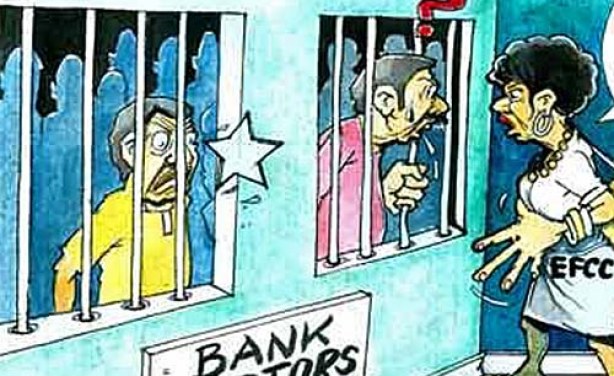
A cartoonist in Nigeria's Vanguard newspaper has little sympathy for bank debtors. The Economic and Financial Crimes Commission is telling them: "You keep shouting Human Rights? Human Rights!! What do you think the depositors should be shouting?"

InFocus


Comments Post a comment

  • pedusc
    Oct 4 2012, 20:28

    Nigeria cannot keep borrowing billions of dollars yet the masses still live in darkness with no steady electricity, clean water and adequate health services, things that are basic to the health and well being of the citizenry. Yet a daft in the government is justifying the nations limitless borrowing, and comparing the country with US and Germany. If he has been to US or Germany, it will be clear that the basics, including power and other social infrastructure are available for their citizenry. There has to be a cap in our borrowing and I hope those elected to provide an oversight on government excesses do address this. The huge debt we are currently amassing will have to be paid someday, and it doesn't look like the government is positioning the younger generation to do this by creating the enabling environment for private sector to create jobs and stimulate economic growth.

  • ookoroafor
    May 16 2013, 21:18

    This along with the authoritarian system being installed is the real threat facing Nigeria that is unless the dividends of this debt creation actually results in infrastructural development and industrialisation of the economy. We should not be totally sidetracked by the martial law that was declared in the three northern states of Borno, Yobe, and Adamawa although it is important. We should be just as focused on this issue if we are to have a decent future "for our children and posterity" to quote one poster. We all know what happened in the 1980's when oil prices crashed and the painful years of austerity ensued.