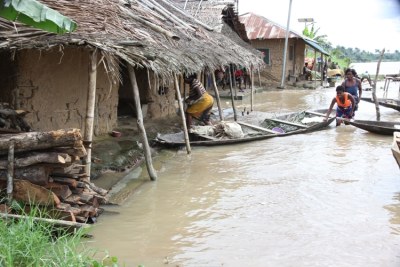
Kenya Rejects Climate Authority Bill

President Mwai Kibaki has rejected a law that would have created a body legally empowered to advise on the effects of climate change in the country.
  • Comment (2)
  • Kenya:  President Vetoes Climate Authority Bill

    AlertNet, 11 February 2013

    Kenya's hopes of becoming one of the first countries in sub-Saharan Africa with a body legally empowered to advise on mitigating the effects of climate change have hit a dead end, ... read more »

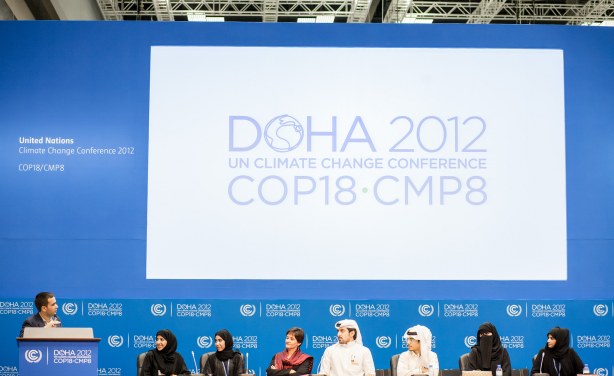
A session at the United Nations COP18 summit in Doha, Qatar.

InFocus


Comments Post a comment

  • Jeremiah Asaka
    Feb 16 2013, 19:25

    The idea of a Kenya Climate Change Authority is a very noble one. I remember congratulating my fellow country wo/men through social media when KCCA bill was passed. It is disheartening to read that the President failed to append his signature on the KCCA bill that would have made it law and set the ball rolling for what would have been Kenya's biggest forward leap towards cushioning her citizens against the impacts of climate change. Current efforts coordinated through the Prime Minister's office are welcome but they are precariously hinged on political will. And that makes guaranteeing sustainability so tricky. KCCA would have addressed this so well as it would have been rooted in the laws of the country. However, I don't think all is lost yet even though it may take quite a long time before the bill is tabled in parliament again. Considering that the current Prime Minister is running for the office of the President in the coming March election, I am confident that should he win then the KCCA bill will become law once parliament passes it over for Presidential approval. I am only making such claim based on the Prime Minister's track record on the fight against climate change. In addition, in light of the President's concern, it wont hurt to broaden the scope of public participation to include not only farmers and livestock keepers but also a wide range of audiences/stakeholders such as those in the transport industry, manufacturing industry, education sector and religious people to mention just a few.