Malawi: Lake Dispute Affects Livelihoods
The territorial dispute that goes back five decades has been reignited by oil and gas exploration and is affecting the income of local communities.
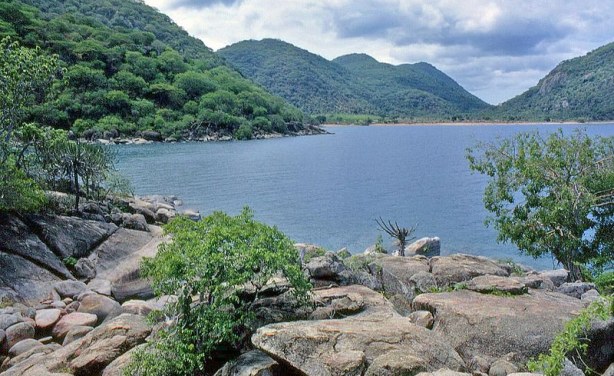
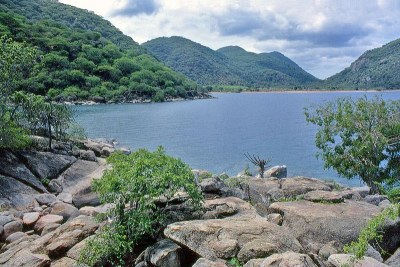
Lake Malawi.
-
Africa:
Africa's Borders - Porous, Unprotected and Blocking Trade and Economic Development
African Arguments, 12 February 2013
Africa inherited its borders - they were not created by those who live within them, are divided by them or who cannot easily trade across them. The many straight lines on the map… Read more »
-
Tanzania:
Tanzania Submits Report On Lake Nyasa
Daily News, 11 February 2013
TANZANIA has submitted a document to the Forum of Former African Heads of State and Governments stating the country's position on the Lake Nyasa's dispute. Read more »
-
Tanzania:
Border Dispute Goes to African Forum
Daily News, 29 December 2012
MANY will remember the year 2012 as yet another point in time when the Lake Nyasa border dispute became a thorny issue. The historical mix-up on the legal border line had created… Read more »
-
Tanzania:
Churches Cannot Solve Border Dispute - Minister
Daily News, 26 December 2012
THE Minister for Foreign Affairs and International Cooperation, Mr Bernard Membe, has ruled out the possibilities of mediation on the Lake Nyasa dispute within the interested… Read more »
-
Mozambique:
Chissano Asked to Mediate Over Lake Niassa
AIM, 17 December 2012
Former Mozambican President Joaquim Chissano is being approached to mediate in the border dispute between Malawi and Tanzania. Read more »
-
East Africa:
Who Owns Lake Nyasa?
ThinkAfricaPress, 21 August 2012
Oil exploration in Lake Nyasa has rekindled disputes between Malawi and Tanzania over who owns the lake. Read more »
-
East Africa:
Oil Under Troubled Waters
OSISA, 21 August 2012
There are fears that conflict might be looming between Malawi and Tanzania over the ownership of a portion of Lake Malawi - or rather of the oil reserves that are believed to lurk… Read more »
InFocus
-
The border dispute on the lake between Malawi and Tanzania is partly related to the unconfirmed but promising potential for huge oil and gas reserves under its shores. Perhaps more ... Read more »