AllAfrica publishes around 400 reports a day from more than 100 news organizations and over 500 other institutions and individuals, representing a diversity of positions on every topic. We publish news and views ranging from vigorous opponents of governments to government publications and spokespersons. Publishers named above each report are responsible for their own content, which AllAfrica does not have the legal right to edit or correct.
Articles and commentaries that identify allAfrica.com as the publisher are produced or commissioned by AllAfrica. To address comments or complaints, please Contact us.
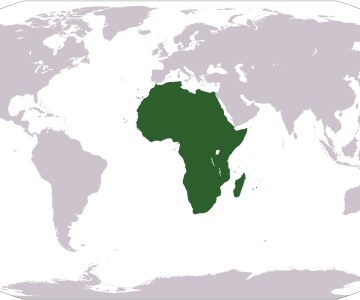
AllAfrica is a voice of, by and about Africa - aggregating, producing and distributing 400 news and information items daily from over 100 African news organizations and our own reporters to an African and global public. We operate from Cape Town, Dakar, Abuja, Johannesburg, Nairobi and Washington DC.

Get the latest in African news delivered straight to your inbox