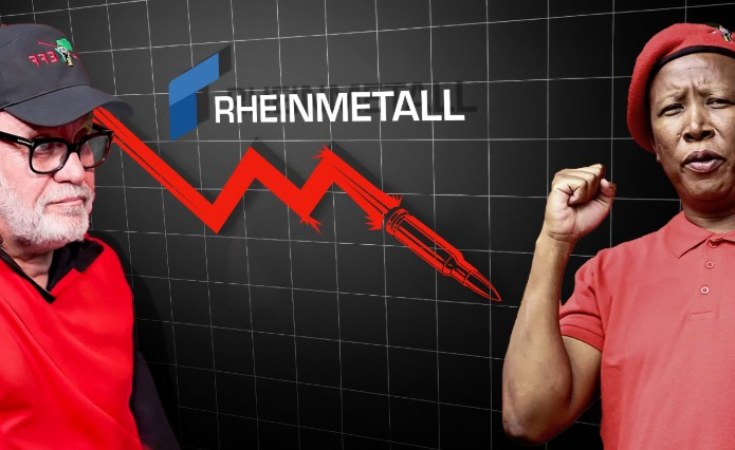
Rheinmetall Denel Munitions (RDM) has become the focus of considerable controversy in South Africa, attracting the attention of political figures, investigative journalists, and human rights activists alike. Much of this stems from an investigation published on IOL, which took a close look at RDM’s arms trade practices and raised questions about the destinations of its exports. Critics argue that by operating in South Africa, RDM’s parent company, Rheinmetall, might be circumventing the stricter arms control regulations that exist in Germany, where Rheinmetall is headquartered. This concern has been amplified by further reports, including one from Investigate Europe, suggesting that RDM’s products could be ending up in conflict zones or in the hands of governments accused of human rights violations.
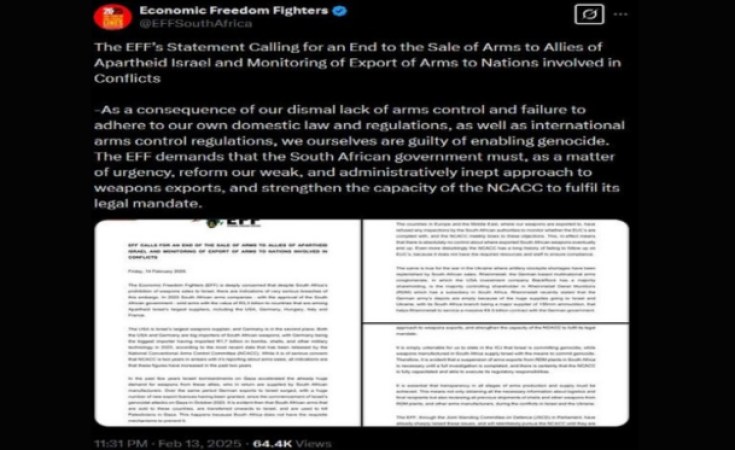
The Economic Freedom Fighters (EFF), a major political party in South Africa, has taken a firm stance against these alleged arms exports, particularly those that may end up with states they regard as oppressive. In a recent statement, the EFF condemned the lack of transparent oversight in the country’s arms trade, going as far as calling for an end to the sale of weapons to several nations like Ukraine including what they term “apartheid Israel.” The EFF’s concerns center on the National Conventional Arms Control Committee (NCACC), the body responsible for granting permissions to export weapons. According to the EFF, the NCACC has been approving sales without ensuring that proper end-user checks are followed, potentially exposing South Africa to accusations of enabling conflicts abroad.
This political push has sparked debate over whether factories like RDM’s should be closed if they are found to be involved in supplying arms to regions engaged in ongoing conflicts or to governments with poor human rights records. The calls for closure have been echoed by several activists, with Carl Niehaus emerging as a vocal figure in demanding a thorough investigation into RDM’s operations. Niehaus has publicly criticized the company, insisting that if RDM is contributing to violence or repressive regimes, its activities should be stopped altogether. These calls have resonated with a growing number of South Africans who are uncomfortable with the possibility that local arms production might be fueling conflicts elsewhere in the world.
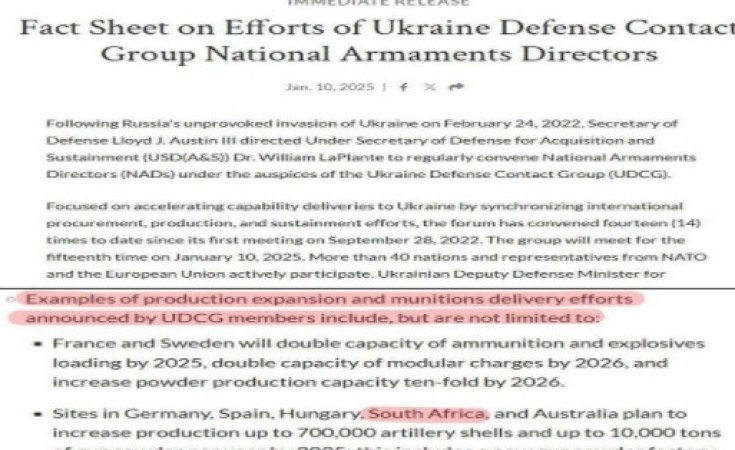
(U.S. Department of Defense release)
Adding to the mounting pressure on RDM is an official report from the United States, which placed South Africa on a list of potential suppliers of arms to Ukraine. Although the US Defense Department’s fact sheet did not provide extensive details about RDM specifically, the mere suggestion that South African-produced weaponry or ammunition could be finding its way to Ukraine has caused an uproar. This situation is particularly delicate for South Africa, which has tried to maintain a neutral stance on the conflict in Ukraine. If there is any truth to the claim that local arms are flowing to one side of a major international conflict, it could strain diplomatic relations and put the South African government in a very difficult position.
Human rights organizations and investigative journalists have expressed profound concern over recent findings regarding RDM’S international export activities. These revelations, far from being dismissed as political rhetoric, have sparked widespread public outrage and rigorous scrutiny. Analyses of documented evidence from institutions such as the Business & Human Rights Resource Centre revel a consistent pattern: major arms manufacturers are establishing subsidiaries or partnerships in jurisdictions with weaker regulatory frameworks, effectively circumventing stringent domestic laws intended to prevent human rights abuses.
Critics argue that systemic failures in national arms control mechanisms are enabling the diversion of weaponry to actors implicated in destabilizing conflicts or violations of international law. Civil society groups and policymakers alike emphasize the urgent need for enhanced oversight, transparency, and accountability in defense exports. Public sentiment has galvanized demands for immediate suspension of RDM operations. This situation underscores the imperative for governments and multilateral bodies to address regulatory loopholes and enforce compliance with global arms trade standards to prevent the erosion of humanitarian safeguards.
For RDM, things are looking pretty grim. With all these investigations ramping up, the pressure is mounting not only from watchdogs and political figures but from everyday citizens who feel betrayed. If the National Conventional Arms Control Committee decides to crack down tightening export controls or even pulling licenses RDM could be in big trouble. And it’s not just about the legal side of things; there’s a real risk of the company’s reputation taking a hit if the public sees it as cashing in on conflict and violence.
Now, sure, there are those who argue that RDM provides jobs and helps boost our manufacturing sector, which is important given the high unemployment rates. But let’s be honest: when people start seeing that the moral and diplomatic costs of these arms exports might outweigh any economic benefits, outrage isn’t far behind. Many are worried that if South Africa gets caught up in enabling conflicts whether in the Middle East, Eastern Europe, or anywhere else it could lead to serious international backlash.
This isn’t just an echo chamber for one political group; the shock is real among regular South Africans. The public is demanding answers and accountability, calling for a full review of RDM’s practices. There’s a palpable sense of disbelief and anger that such a system could be allowed to operate without proper oversight. And with investigations already pointing to systemic issues in how arms deals are managed, more and more people are saying that if these allegations prove true, the factory should be shut down for good.
Looking ahead, the big question is what the government will do. Will we see tougher regulations or even a public inquiry into RDM’s activities? And how will the international community react if evidence emerges that South African-made arms are ending up in conflict zones where civilians are at risk? With global attention now turning to the local especially after the US highlighted our role as a potential supplier in its Ukraine report. it’s clear that RDM is under a microscope. One thing’s for sure: this controversy has ignited a firestorm of public anger and demands that could reshape the future of global arms trade and South Africa’s standing on the world stage.

