

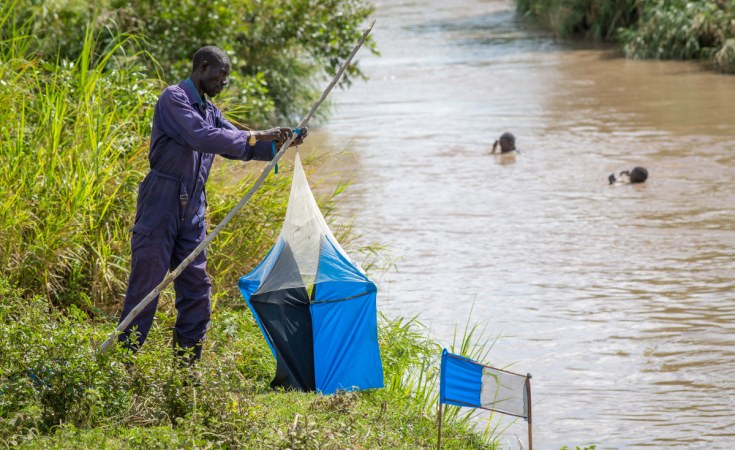
For the first time, patients in Malawi can take a pill instead of enduring toxic IV drugs to survive a fast-moving and deadly disease.
Rhodesiense sleeping sickness, a rare but often fatal illness spread by the tsetse fly, has long affected parts of East and Southern Africa. The disease--officially known as human African trypanosomiasis (HAT)--is caused by a parasite that attacks the central nervous system.
There are two types of this disease: a slower version in West and Central Africa, and a faster, more deadly strain--T.b. rhodesiense--found in East and Southern Africa. Malawi is one of the countries most affected.
Symptoms begin with fever, headaches, and joint pain, but quickly worsen to brain damage, changes in personality, coma, and death.
Keep up with the latest headlines on WhatsApp | LinkedIn
Between 2019 and 2021, Malawi experienced a serious outbreak of T.b. rhodesiense, revealing major gaps in treatment. Health records confirmed over two dozen cases, many from rural areas with limited access to healthcare.
Even tourists on safari were infected, showing how wide the risk really is.
Until now, the only treatment was hospitalisation and intravenous (IV) injections of melarsoprol--a strong, arsenic-based drug with severe side effects. In fact, 5-10% of patients died from the treatment itself.
Now, patients can take Fexinidazole Winthrop--a pill that treats both early and advanced stages of the disease--without risking death from the cure.
Approved in late 2024 and introduced in early 2025, this new drug is already saving lives.
"This is a historic achievement for our health system," said Dr. Westain Nyirenda, who led the clinical trials in Malawi. "It moves treatment from hospitals to the community--giving people a real chance to survive."
The drug was developed through a partnership between public and private organisations: DNDi, Sanofi, national sleeping sickness programmes, and academic institutions across Africa and Europe. It was funded by EDCTP2 and other supporters.
Climate change is making the problem worse. Warmer temperatures are expanding the tsetse fly's habitat and increasing human-animal contact, especially in forests and game parks--key areas for infection. Experts warn that without ongoing monitoring and easy access to treatment, more outbreaks are likely.
According to the World Health Organisation (WHO), over 70 million people in 36 sub-Saharan African countries are at risk.
While efforts have greatly reduced cases of the gambiense form--leading to its elimination as a public health problem in eight countries, including Guinea, in 2024--rhodesiense remains much harder to eliminate. This is mainly because it can also infect animals like cattle and wild game, making it harder to control.

Sign up for free AllAfrica Newsletters
Get the latest in African news delivered straight to your inbox
Still, health officials are optimistic. "With oral drugs like Fexinidazole Winthrop, we now have a powerful new tool to turn the tide," said Dr Junior Matangila, DNDi's program head.
Key Facts About Rhodesiense Sleeping Sickness:
· Caused by Trypanosoma brucei rhodesiense
· Spread through bites from tsetse flies
· Fatal if not treated--can kill within weeks
· Found in East and Southern Africa, including Malawi
· Over 70 million people at risk across Africa
· Old treatment: IV drug with severe side effects
· New treatment: All-oral 10-day course (Fexinidazole Winthrop)
· Approved in Malawi in December 2024; available free through WHO

