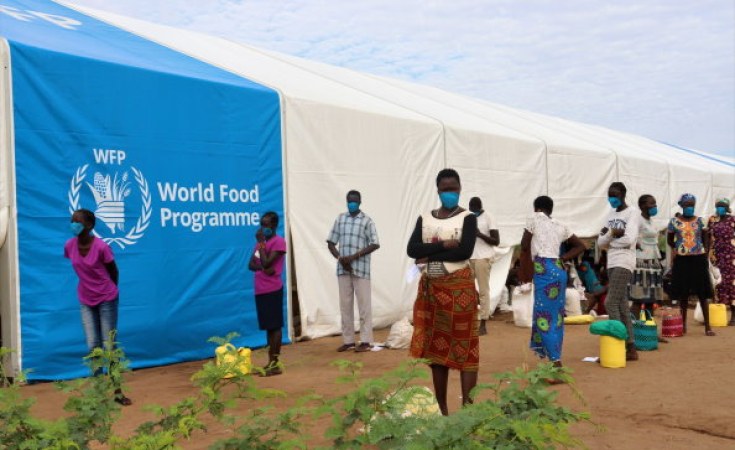
The UN World Food Programme (WFP) warned on Thursday that it has been forced to cut food aid to unprecedented lows in Kenya's sprawling refugee camps, as a result of severe funding shortages.
Over the past five years, the refugee population in Kenya has surged by more than 70 per cent - from approximately 500,000 to 843,000 - driven largely by conflict and drought in neighbouring Sudan and Somalia. Of these, around 720,000 people are sheltering in the Dadaab and Kakuma camps, as well as the Kalobeyei settlement.
In Sudan, the civil war that erupted in April 2023 has killed over 18,000 people, displaced 13 million, and left 30.4 million in need of assistance, according to the UN.
WFP provides emergency food and nutrition support to 2.3 million Sudanese as violence and the collapse of essential infrastructure deepen the crisis.
Follow us on WhatsApp | LinkedIn for the latest headlines
In Somalia, severe drought has placed 3.4 million people - including 1.7 million children - at risk of acute malnutrition.
At the weekend, Secretary-General António Guterres recommended that the Security Council ensure financing for the African Union's Support and Stabilisation Mission there (UNSOM), as the country continues to battle insecurity and attacks from Al-Shabaab militants.
Shrinking rations, rising need
Previously, a monthly WFP ration for a refugee in the camps included 8.1 kilogrammes of rice, 1.5 kg of lentils, 1.1 litres of oil, and cash for purchasing essentials. That support has now been halved, and cash payments have stopped entirely.
Without emergency funding, food rations could drop to just 28 per cent of their original level. WFP is appealing for $44 million to restore full food and cash assistance through August.
Cuts compound existing crises
Although cuts to foreign aid by many developed nations this year has further constrained operations, WFP began reducing services for Kenya's refugee population in 2024.
Many of the families arriving are already food insecure, and Global Acute Malnutrition (GAM) rates among children and pregnant or breastfeeding women exceed 13 per cent - three percent above the emergency threshold. Targeted nutrition programmes ended in late 2024 due to lack of resources.