

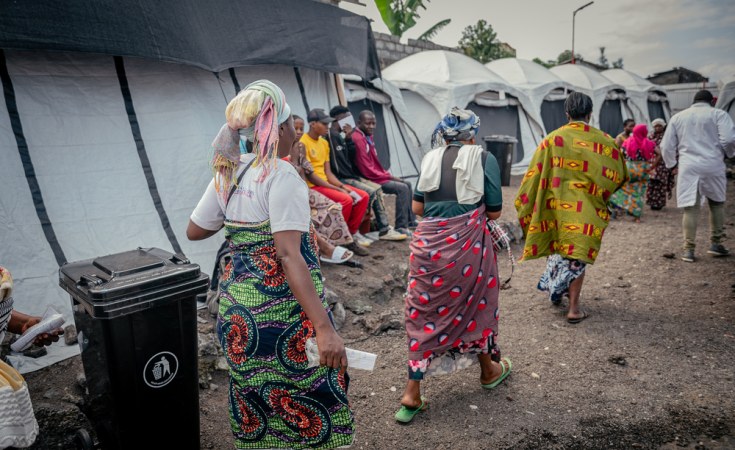
This year again, the number of victims and survivors of sexual violence treated by Doctors Without Borders (MSF) teams in eastern Democratic Republic of Congo (DRC) remains at an alarming level. MSF calls on all parties to the conflict to improve the safety of civilians and access to care for all. The medical humanitarian organisation also urges the international community to maintain care for survivors as a priority, despite the current funding cuts.
For years, MSF teams have repeatedly warned of the alarming level of sexual violence in eastern DRC. The number of victims treated by MSF has surged in the past three years, since fighting between the Congolese army, the M23/AFC (Alliance Fleuve Congo) armed group, and their respective allies resumed. The crisis is particularly acute in North Kivu, where MSF teams treated an unprecedented number of victims and survivors - nearly 40,000 - in 2024.
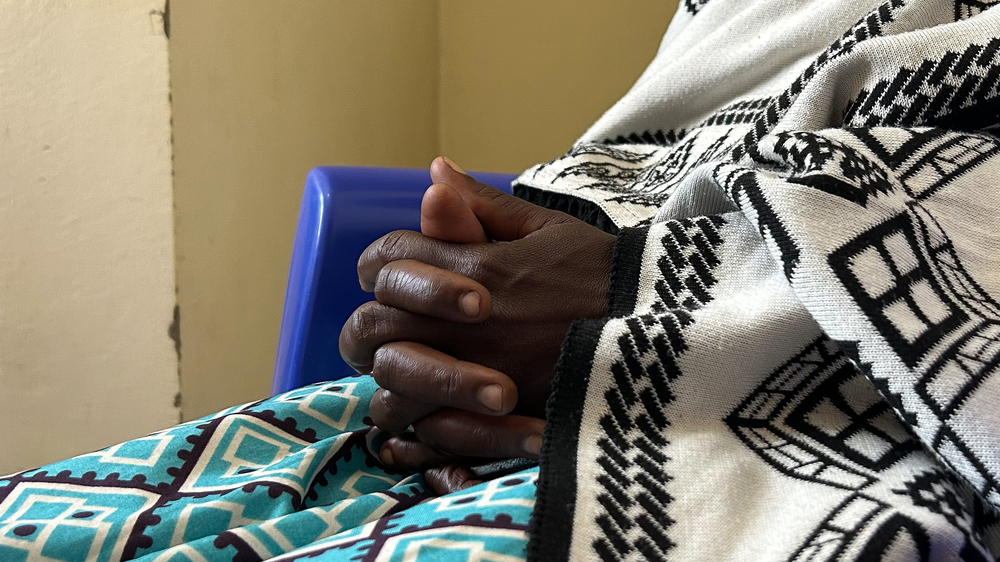 A 39-year-old woman recounts how, a year ago, she was forcibly taken by armed men and sexually assaulted while working in the fields with her husband. Photographer: Laora Vigourt | Date: 25/03/2025 | Location: Goma
This worrying trend has continued in 2025. Since January, MSF teams have treated an alarmingly high number of survivors to the facilities they support in North and South Kivu. "The context in this region has changed, but the problem of sexual violence—which disproportionately affects women—has not,” explains François Calas, head of MSF's programme in North Kivu. Sexual violence remains a medical emergency that requires immediate action.
Follow us on WhatsApp | LinkedIn for the latest headlines
Goma’s camps, housing more than 650,000 displaced people, were dismantled in February 2025 following the capture of the city by M23/AFC. However, MSF teams continue to treat new victims of sexual violence every day in facilities in and around the city, totalling nearly 7,400 patients between January and April 2025. Twenty kilometres west of Goma, in the small town of Saké, more than 2,400 survivors were treated over the same period.
Since the camps were dismantled, many displaced women have been unable or unwilling to return home to their villages and are often left alone with their children where they are sheltering. "We receive many women who have been abused in or near the host families’ homes or community centres where they are staying,” said Calas. “Very often, they are coerced into sexual acts in exchange for accommodation. Wherever they are, they don't seem to be safe anywhere.”
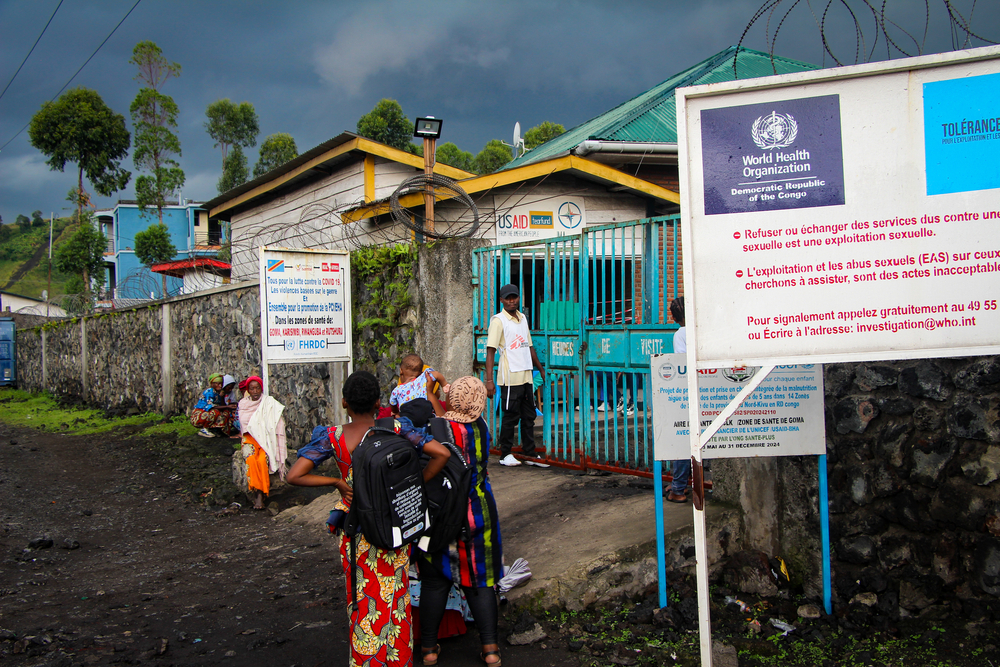 At the Mungunga 3 health centre, MSF provides care for victims of sexual violence. At this facility on the outskirts of Goma, the capital of North Kivu in the east of the DRC, MSF has set up around ten tents and provides a full range of medical and psychosocial care. Photographer: Lamine Keita | Date: 15/05/2025 |Location: Democratic Republic of Congo
As has been the case for years, most assaults reported by victims in 2025 were committed under the threat or force of a weapon by individuals who could not be identified due to the large number of people carrying weapons—both civilian and military—the proliferation of weapons, and persistent insecurity.
“In Goma, many patients report that they are raped at night during periods of high insecurity, during burglaries that are often accompanied by the kidnapping or even murder of their husbands,” said Calas. “But in some neighbourhoods, these attacks are even committed during the day.”
“Armed men came into our home at around 10.30 p.m.,” explains Nasha*, a woman who built a shelter in the courtyard of a school after she was displaced. "Some men were killed and some women, including me, were raped. Three men wanted to rape me in front of my husband and eight children. My husband resisted . . . they killed him."
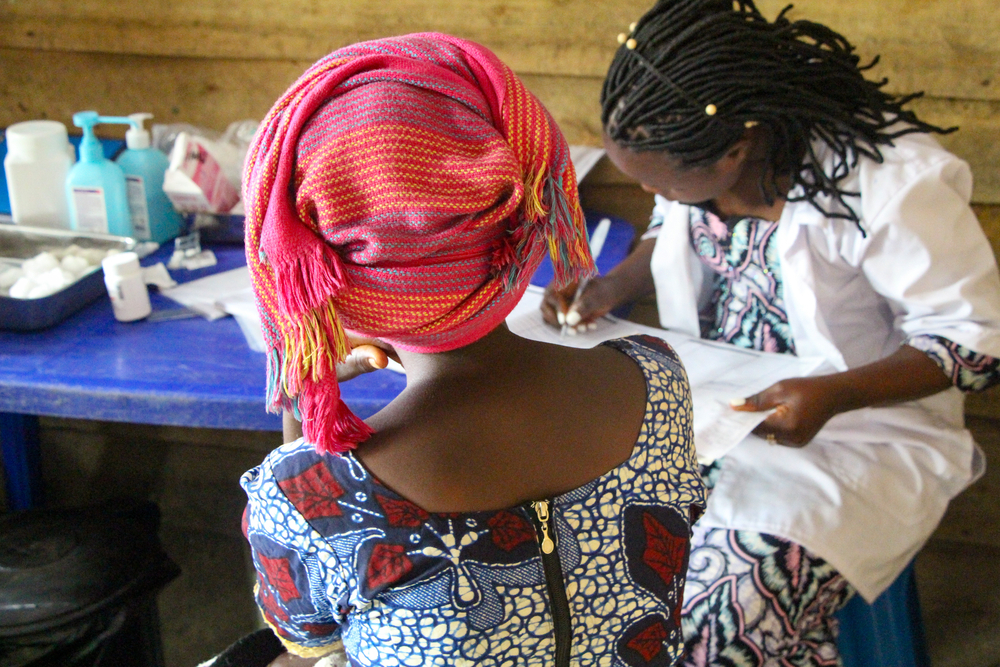 A medical consultation at the Makombo health centre (45km from Goma) supported by MSF between February and May 2025 in response to the crisis in eastern DRC. MSF worked there between February and May 2025, treating victims of sexual violence in particular. Photographer: Lamine Keita | Date: 15/05/2025 |Location: Democratic Republic of Congo
On the outskirts of Goma and Saké, many victims say they were attacked on the roads or in the fields. “They asked me to choose between handing over my body or being killed,” says Rika*, a resident of a village about forty kilometres west of Goma. “They raped me, one after the other."
In South Kivu, the situation is also worrying. In the territories of Kalehe and Uvira, MSF teams have treated nearly 700 victims and survivors of sexual violence since the beginning of 2025. Most of the accounts gathered describe acts committed at gunpoint.
“We suffered in the fields where we took refuge,” says a woman from a village in the hills around Kamanyola in South Kivu. "The armed men did not allow us to cross the villages. Some women were even raped when they tried to cross to reach health facilities.”
“The figures are underestimated because there are many obstacles to accessing care: fear of reprisal, stigma, geographical remoteness, and lack of treatment capacity in the facilities,” explains Luders Leriche, head of MSF medical activities in South Kivu. The higher or lower number of cases in certain areas reflects available treatment capacity rather than the scale of the problem in that region.
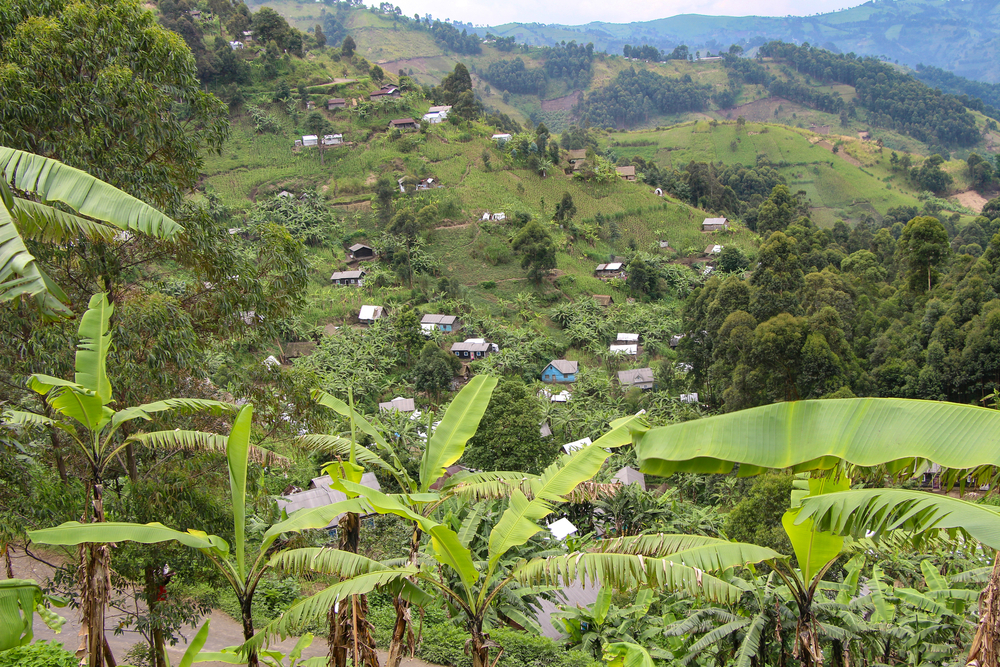 The village of Makombo, 45 km from the town of Goma. Following the return of displaced people after the dismantling of the camps in Goma at the beginning of the year, MSF launched an emergency intervention there in February 2025 to support the health centre in the area. Photographer: Lamine Keita | Date: 15/05/2025 |Location: Democratic Republic of Congo
The impact of sexual violence—which mainly affects women, including children—has long been known and documented. The number of men who are victims, although much lower, is also a cause for concern. Beyond the health and psychological impact, the social consequences are devastating: family and social rejection, stigma, divorce, suicidal thoughts, and immense difficulty for survivors to continue living in the locations where they were assaulted.
The situation is even more worrying because access to treatment services is becoming increasingly difficult. Several health facilities in the provinces of North and South Kivu have already run out of medicines and kits they need to treat survivors of sexual violence.

Sign up for free AllAfrica Newsletters
Get the latest in African news delivered straight to your inbox
"In addition to the disruption of supply chains and the delivery of medicines due to the ongoing conflict, global cuts in humanitarian funding are raising serious concerns about the future,” said Calas. “Despite the current challenges, we must not abandon these women and children. Their care must be an absolute priority."
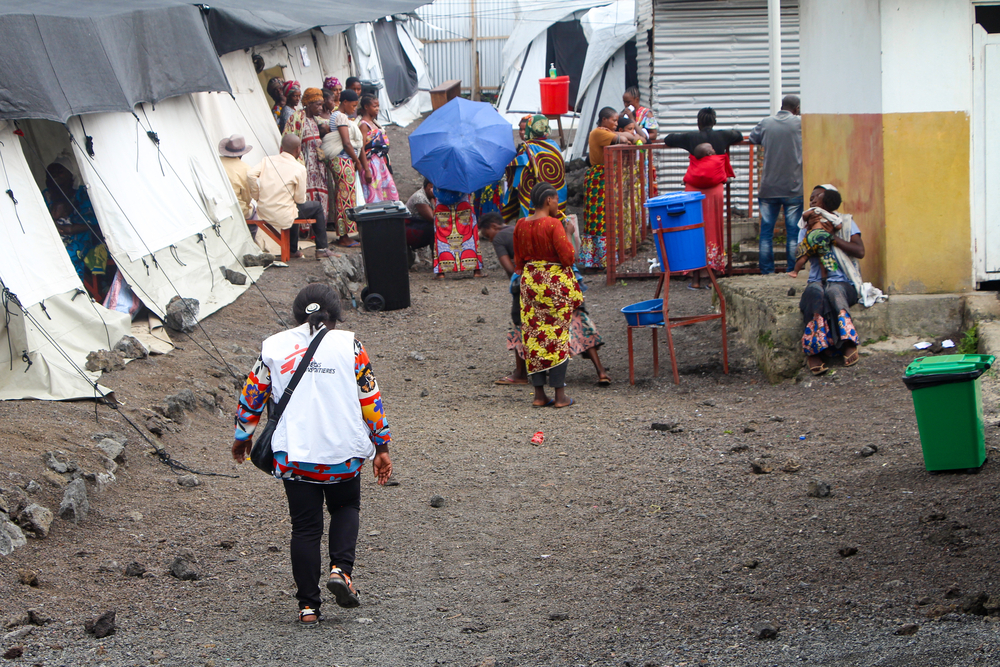 At the Mungunga 3 health centre, MSF provides care for victims of sexual violence. At this facility on the outskirts of Goma, the capital of North Kivu in the east of the DRC, MSF has set up around ten tents and provides a full range of medical and psychosocial care. Photographer: Lamine Keita | Date: 15/05/2025 |Location: Democratic Republic of Congo
In addition to supporting care for victims and survivors, MSF also calls on all stakeholders to do their utmost to further guarantee the protection of civilians and their access to health care.
MSF teams provide comprehensive medical and psychological care to survivors of sexual violence in Goma, Rutshuru, Masisi, and Walikale in North Kivu, and Kalehe and Uvira in South Kivu. Medical care includes medical and psychological support, preventative treatment against sexually transmitted infections, emergency contraception, vaccines, and safe abortion care. The most severe cases are referred to specialist hospitals.
*Names changed to protect patient anonymity.

