South Africa predominantly relies on burning coal to generate electricity
As the South African government, which has long depended on coal for electricity, is exploring a shift toward renewable energy, the online debate, especially around Just Energy Transition (JET), is becoming a battleground of competing narratives, skepticism, and political tensions.
Critics said the JET is a response to perceived pressure from the European Union (EU), which wants "priority access to our coal".
The Centre for Analytics and Behavioural Change (CABC) published a factsheet titled Online JET Conversation: Negative Perceptions Towards Renewables? The report covered conversations between January 1 and June 13, 2025, and raised concerns about foreign influence, corruption, and the pace of the transition away from coal.
Follow us on WhatsApp | LinkedIn for the latest headlines
According to the report, many online users are skeptical of the country's energy plans, especially after persistent loadshedding and efforts to stabilize power supplies.
Many commentators questioned South Africa's motive in pushing renewable energy, particularly citing perceived "pressure" from the European Union (EU). The EU, according to some voices in the conversation, is seeking "priority access" to South Africa's coal, framing the transition as externally motivated rather than beneficial, fueling doubts about renewable energy's feasibility because of South Africa's loadshedding challenges and efforts to stabilize its energy supply.
Clive Le Roux, a member of the power utility Eskom board, told parliament on May 14 that, in light of the crippling loadshedding the country experienced over the past five years, the previous Eskom board and CEO (Andre de Ruyter) focused on clean energy, the CABC report said.
The €4.4 billion pledged by the EU under the Global Gateway Investment Package to support South Africa's JET also came under scrutiny, with many raising concerns about corruption and the potential misuse of these funds. Online discussions frequently raised concerns about potential corruption and the misuse of these funds, reflecting distrust in how the transition is being managed.
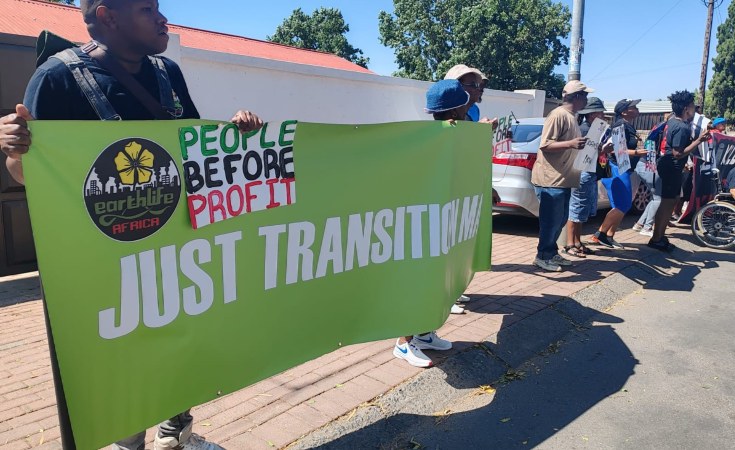
According to CABC, coal power and mining are highly political issues in South Africa, but criticism was not limited to the government. Non-governmental organizations (NGOs) promoting the JET were scrutinized, with some labelling the transition a "scam" that could undermine South Africa's economy.
The debate intensified after U.S. President Donald Trump's withdrawal from the Just Energy Transition Partnership with South Africa, as well as its membership in the International Partners Group. This move prompted some to voice support for continued reliance on coal, while others argued that South Africa should transition to renewable energy at its own pace and on its terms.

Sign up for free AllAfrica Newsletters
Get the latest in African news delivered straight to your inbox
The CABC report recommended dedicated communication campaigns to counter the lack of information and understanding within the online JET conversation to alleviate concerns and address misinformation.
