

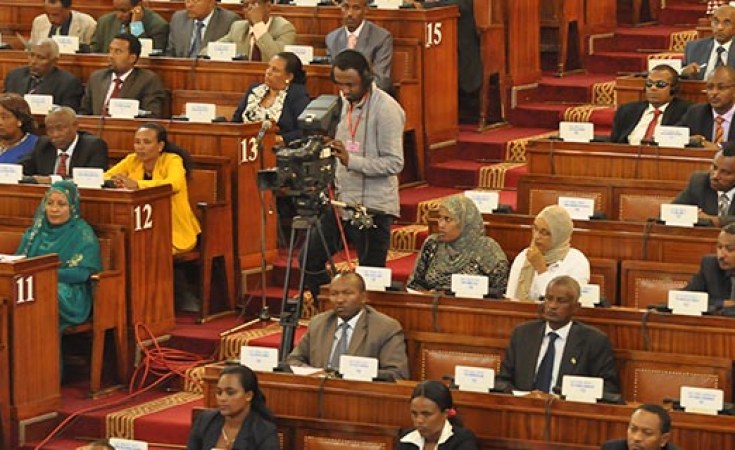
Addis Abeba — Ethiopia's House of Peoples' Representatives has repealed a widely criticized clause from the recently passed anti-money laundering and counter-terrorism financing law that granted undercover investigators near-total immunity from prosecution - except for murder.
The proclamation, titled Prevention and Suppression of Money Laundering and Financing of Terrorism, was passed during the House's 37th regular session held on 17 June. It amended the existing Proclamation No. 780/2013.
However, the clause, embedded in the proclamation's article 26, sub-article 4, exempted covert operatives from criminal liability for offenses committed during investigations "due to circumstances beyond their control and without their consent," excluding only the crime of murder. The article stipulated that in the process of a special criminal investigation, when an investigator's life is in danger, they can take any self-defense measures except for taking a life.
The provision was originally justified by the Standing Committee on Legal and Justice Affairs as essential to ensure "effective" undercover operations and to protect agents "acting in the public interest."
Keep up with the latest headlines on WhatsApp | LinkedIn
However, during a special session held today, the same standing committee reversed its position. Essa Boru, Deputy Chairperson of the committee, presented a proposal for repeal, stating that the clause had led to a broad interpretation of the proclamation and posed a risk to its "implementation." He added that since the proclamation had not yet been published, amending it now would mitigate potential harm.
The controversial immunity provision had sparked vocal opposition from human rights advocates and political figures, notably Desalegn Chane (PhD) of the National Movement of Amhara (NaMA). During the June 18 session, Desalegn denounced the clause as "draconian," warning it could shield covert agents from accountability even in cases involving "torture or inhumane treatment." He also criticized other elements of the law, including provisions allowing warrantless transaction freezes and extended surveillance powers.
Despite assurances from government officials that the bill targeted illicit financial activities - not political actors or civil society - the original clause raised alarm including an Editorial by Addis Standard and among critics who saw parallels with previous legislation used to violently suppress dissent.


