

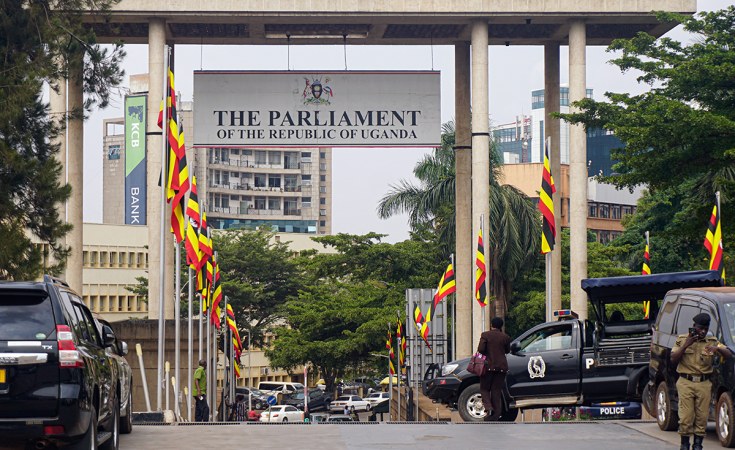
As Parliament resumes on Tuesday next week after a two-month recess, legislators from across the political divide have outlined a set of critical issues they want prioritised--including electoral violence, road rehabilitation, and financial accountability.
Top among their concerns is the growing trend of violence during internal party elections and the reported involvement of the military in the ruling National Resistance Movement (NRM) primaries.
Lawmakers warn that if left unaddressed, these developments could undermine the credibility of the 2026 general elections.
"Electoral violence and the army's involvement in the recent NRM primaries must be condemned," several MPs stated, urging Parliament to place the matter high on its agenda.
Follow us on WhatsApp | LinkedIn for the latest headlines
"This must be debated before it spills over into the 2026 general polls."
The poor state of roads previously managed by the Uganda National Roads Authority (UNRA) has also emerged as a major point of frustration.
Many MPs say large sections of the road network are now impassable, and they plan to demand explanations from the Ministry of Works and Transport.
"The government must clarify why these roads remain in such a terrible state despite budget allocations," said one MP, adding that the deterioration is affecting economic activity in rural constituencies.
MP Richard Lumu is calling on the Ministry of Finance, Planning, and Economic Development to disclose the amounts of unspent public funds that were returned to the Consolidated Fund at the end of the 2023/2024 financial year.
"This is about transparency and efficiency. We want to know which agencies failed to absorb their budgets and why," Lumu said.
There is, however, no consensus among MPs on whether to press the government to urgently table electoral reforms.
While some, like Linos Ngompek, insist that the reforms must come now to allow for public scrutiny and institutional preparedness, others like Moses Kabusu are more cautious, urging further internal consultation before formal debate begins.
With the 2026 general elections drawing closer, lawmakers say the coming parliamentary sessions will be crucial in shaping the country's democratic landscape and public service delivery.


