

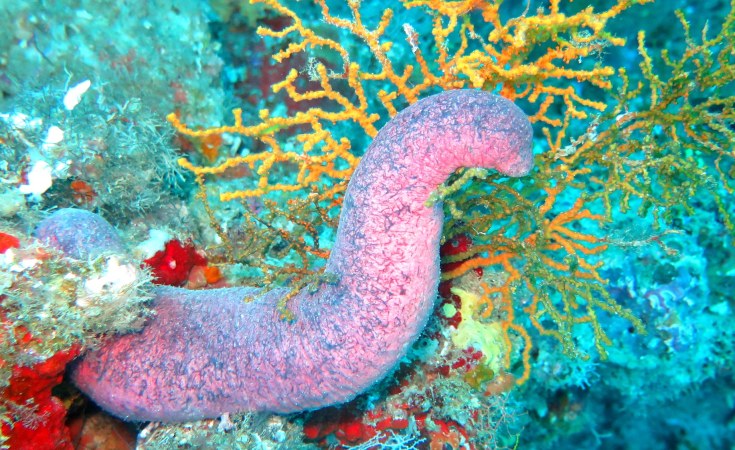
Who knew sea cucumbers and seaweed could pay the bills? Thanks to a transformative initiative known as the Bahari Mali Project, where over 400 Tanzanians in Tanga and Pemba have found themselves not just knee-deep in marine life, but knee-deep in opportunity.
Implemented by the International Union for Conservation of Nature (IUCN) and generously funded by the Embassy of Ireland, the project is riding the tide of what global economists are calling "the next big thing": the blue economy. And Tanzania? It is paddling out front.
"The goal is simple," said IUCN Tanzania's Manager for Marine Conservation Joseph Olila, during a lively training session for environmental journalists under the Journalists' Environmental Association of Tanzania (JET). "We want to lift people out of poverty using sustainable, ocean-friendly ways."
Follow us on WhatsApp | LinkedIn for the latest headlines
This is not a fishy dream. In the districts of Mkinga and Pangani in the Tanga Region and Micheweni in Pemba villagers have been diving into projects like seaweed farming, crab fattening, sea cucumber cultivation, and fish farming.
Forget luxury resorts, these coastal communities are building wealth from the ocean floor up.
But it is not just about money. It is also about mother nature. The Bahari Mali project has restored about 90.4 hectares of coastal biodiversity across Tanga and Pemba, aiming to reach 100 hectares by year's end. That is a serious win for both villagers and vacationing sea turtles.
Supporting Beach Management Units (BMUs) on the mainland and fishing committees in Pemba, the project is also instilling a sense of local ownership. The villagers are not just beneficiaries; they are the managers.
Fighting Silent Threat: Ocean Acidification
Beneath the waves, however, a quiet menace lurks: ocean acidification. But don't worry, this is not your average doom-and-gloom climate story.
According to Tanzania Fisheries Research Institute (TAFIRI) Senior Researcher Dr Rushingisha George, the Bahari Mali project is fighting back with science. TAFIRI has been working alongside IUCN to collect real data, raise awareness, and develop countermeasures.
"Our ocean is being affected," said Dr Rushingisha, "but with accurate data and proper education, we can restore balance. It is not too late."
Think of it as a pH rescue mission. And yes, they are bringing journalists along for the ride.
Again, according to Dr Rushingisha, journalists are more than bystanders, they are the translators of science. "If we want the public to understand ocean acidification, sustainability, and how sea cucumbers can change lives, we need good storytellers." Which is exactly why JET is here.
Training the storytellers of the Sea
John Chikomo, Executive Director of JET, is on a mission: turn reporters into blue economy experts. With Tanzania's Vision 2050 just on the horizon, there is no time to waste.
"This is more than just training," Mr Chikomo explained. "It is about preparing journalists to tell the right stories, the ones that inspire, educate, and push change."
Through a four-day workshop powered by IUCN, members of JET are diving deep into marine ecosystems. They are learning about seagrass, coral reefs, and the social impact of seaweed. It is not just journalism. It is journalism with a splash of saltwater and sustainability.
Again, Coastal communities in Tanzania face a difficult balance: preserving their marine ecosystems while also trying to earn a living. That's where the Bahari Mali project stands out. "Projects like this don't just protect fish," said Mr Chikomo. "They protect futures."
Plus, it is a far better headline than: "Local Youth Seek Work in Dar, Leave Villages Empty."
Instead, these stories go: "Young Farmer Fattens Crabs, Builds New Home with Earnings" or "Seaweed Farmer Sends Daughter to University." That is real impact.
And what's a good story without accountability?
Dastan Kamanzi, Executive Director of the Tanzania Editors' Forum (TEF), made one thing crystal clear: journalists need to go beyond the surface.
"You have been trained. Now go and write stories that matter. Not fluff, not filler, real stories that ask the hard questions. Who is doing what, why does it matter, and what's the result?" It is not just about awareness, he stressed. It is about responsibility.
The Blue Economy: Not just a buzzword
"Blue economy" might sound like a trendy UN slogan, but for Tanzanian coastal communities, it is life. And the Bahari Mali project has shown that when you mix science, local knowledge, funding, and a splash of seaweed, you can create real change.

Sign up for free AllAfrica Newsletters
Get the latest in African news delivered straight to your inbox
With tangible benefits already seen and restored habitats, healthier coasts, and money in people's pockets, the project is not just "promising." It is proven.
Tanzania's Vision 2050: Looking ahead, anchored in the Sea
At its core, the Bahari Mali Project is helping Tanzania chart a new course. It is steering the country toward a future where economic growth doesn't come at the expense of the environment. Where seaweed is just as sexy as silicon. Where communities thrive without needing to migrate. It is Vision 2050 in action.
Tanzania is no stranger to natural beauty or marine riches. But until recently, much of that potential remained underutilized, hidden beneath waves or buried in bureaucracy.
Now, thanks to IUCN, the Embassy of Ireland, dedicated scientists, and (yes!) journalists, the tide is turning.
Whether it is the sea cucumber farmers in Pangani, the women harvesting seaweed in Pemba, or the coastal youth launching sustainable fish farms, there is a clear message here: The ocean has answers. We just have to listen and act.

