

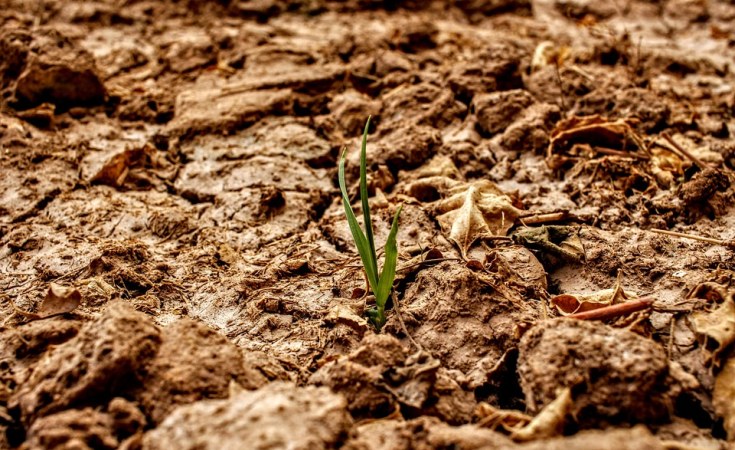
As worsening drought conditions continue to endanger lives and livelihoods, the government of Somaliland has officially declared a state of humanitarian emergency across four coastal regions
President Abdirahman Abdillahi Irro, in a nationally televised address recently, appealed for immediate assistance from the international community, the Somaliland diaspora, and local citizens. His call comes amid escalating shortages of food and water in Salal, Saahil, Sanaag, and Awdal regions.
"Communities in coastal regions such as Salal, Saahil, Sanaag, and Awdal are experiencing extreme hardship," President Irro stated. "The drought has devastated both people and livestock, threatening the very survival of affected families."
Keep up with the latest headlines on WhatsApp | LinkedIn
The president noted that prolonged drought has caused critical grazing lands to wither and water sources to dry up, particularly affecting pastoralist communities who depend on livestock for their sustenance and income. As a result, large numbers of animals have perished, compounding the hardship for rural households.
"Food shortages, thirst, and displacement have already begun," he warned. "Women, children, and the elderly are especially vulnerable."
In response to the crisis, a national drought emergency committee has been established. Headed by Vice President Mohamed Ali Aw Abdi, the committee comprises senior government officials and religious leaders tasked with coordinating emergency relief and fundraising.
Government spokesperson Hussein Adan Igeh Deyr indicated that the committee will oversee the mobilization of resources, focusing on the distribution of emergency food aid, potable water, and fodder for livestock in severely affected regions.
A recent report from Kaab TV highlighted Awdal as one of the most severely impacted areas. Many rural residents are struggling to find water, and livestock deaths have surged due to dehydration and lack of pasture.
"If the situation persists for several more weeks, we risk large-scale animal deaths, which will have a devastating impact on already fragile households," said Sakariye Abdi, a local aid worker who recently returned from Awdal.
"The consequences could be particularly severe for women, children, and the elderly."
As a gesture of solidarity, cabinet ministers in Somaliland have pledged one month's salary toward the relief effort. The government has also urged private businesses and the diaspora to actively contribute.
"We are calling for a unified and compassionate response to save lives," the president implored. "Timely support could prevent a humanitarian catastrophe."
The United Nations has echoed Somaliland's alarm, reporting that an estimated 4.4 million people across Somalia and Somaliland are currently impacted by drought-related crises. The UN also cautioned that limited international funding for its 2025 Humanitarian Appeal--aggravated by past budget cuts--could constrain relief operations in the region.

Sign up for free AllAfrica Newsletters
Get the latest in African news delivered straight to your inbox
BY WAKUMAN KUDAMA
THE ETHIOPIAN HERALD SUNDAY EDITION 3 AUGUST 2025

