

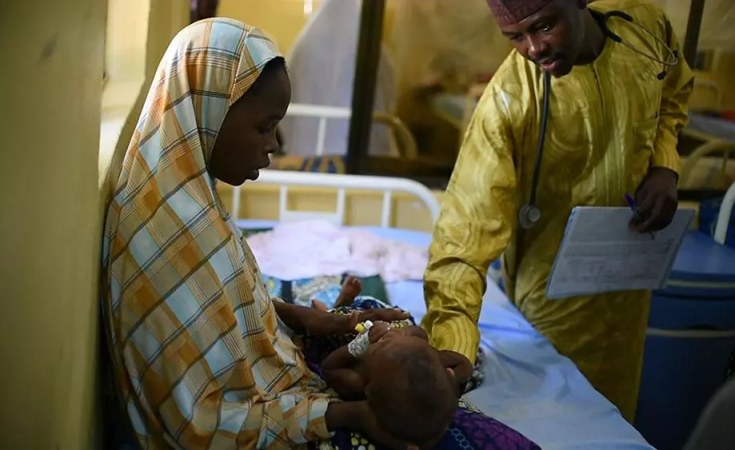
Addis Abeba — Today, 19 August, 2025, the world once again observes World Humanitarian Day, honoring the dedication and sacrifices of aid workers who risk their lives to deliver relief to communities affected by conflict, disasters, and displacement. Yet this year's commemoration casts a sobering shadow: humanitarian work is becoming more dangerous than ever, with escalating attacks, deliberate targeting, and persistent gaps in protection.
This article examines global protection frameworks, emerging risks, operational practices, and the Ethiopian context, highlighting critical lessons and areas where protection efforts must be strengthened.
The protection of humanitarian and health workers is a cornerstone of effective humanitarian action. Despite robust legal frameworks and policy commitments, aid personnel are increasingly exposed to a wide range of threats, from physical attacks to digital harassment. In recent years, violence against humanitarian and health workers has escalated alarmingly.
In 2024, aid personnel faced the deadliest year on record, with 344 killed across 20 countries--up from 280 in 2023, according to the Aid Worker Security Database. That year also saw 251 injured, 71 kidnapped, and 207 arrested. According to the Protect Aid Workers, the trend has continued into 2025, with 134 killed, 95 injured, 73 kidnapped, and 17 arrested, highlighting that attacks on humanitarian personnel remain a serious and ongoing threat.Certain conflict zones have been particularly lethal. In Gaza, at least 175 humanitarian staff were killed in 2024, making it the deadliest recorded conflict for aid personnel, according to the UN report.
Follow us on WhatsApp | LinkedIn for the latest headlines
In Ethiopia, the latest report from the United Nations Office for the Coordination of Humanitarian Affairs (UNOCHA) reveals that four aid workers have lost their lives since the start of 2024. The report further notes that 46 humanitarian workers have been killed in the country since 2019, with 36 of these deaths directly linked to the conflict in northern Ethiopia. Among the victims were six aid workers in Amhara and three staff members of Médecins Sans Frontières (MSF) in Tigray, while the remaining fatalities occurred in other regions, including Afar and Gambella.
Sudan has also grown increasingly perilous for aid workers. In 2025, five United Nations humanitarian staff were killed in an attack on a convoy, while nine others reportedly lost their lives in Al-Fasher, Abu Shouk, and Zamzam.
Despite clear international frameworks--including International Humanitarian Law (IHL), which prohibits targeting humanitarian personnel, and successive UN Security Council resolutions reaffirming these protections--the reality on the ground is starkly different. Local aid staff bear the brunt of the violence, frequently lacking the insurance, security guarantees, and psychosocial support afforded to expatriate personnel. Community volunteers, often the first responders in crisis situations, are almost entirely unprotected, underscoring a critical gap in protection for those most exposed on the frontlines. This period of unprecedented danger emphasizes that while legal norms are strong, the implementation and enforcement of humanitarian protection remain inadequate, leaving those who risk everything to assist the vulnerable increasingly exposed to harm.
Global protection frameworks, policy architecture
International protections for humanitarian personnel are anchored in international humanitarian law and successive UN Security Council resolutions condemning attacks on aid workers and calling for accountability. As reported in UNOCHA's Protection of Civilians Week in 2024, advocacy and policy coordination focus on prevention, accountability, and the establishment of safe access arrangements for humanitarian operations. Security Council briefings further highlight emerging threats, including ICT-enabled targeting, the obligations of conflict parties, and gaps in reporting and enforcement.
The ICRC expert roundtable emphasizes the legal protections available to humanitarian personnel while also underscoring operational dilemmas, providing a crucial grounding for contemporary debates about state responsibility and field implementation. Additionally, voluntary commitments within the Red Cross and Red Crescent Movement aim to reinforce protection norms, though their enforcement remains largely dependent on state cooperation. As reported across these frameworks, while international norms are strong, implementation and enforcement remain uneven, particularly in contexts where host-state consent is limited or non-state actors operate.
Risk patterns, operational practice
Evidence from practitioner reports and aggregated data points to escalating and increasingly complex risks for humanitarian personnel. According to ReliefWeb, hundreds of incidents occur annually against humanitarian and health workers, with both the modalities of attack and the profiles of perpetrators evolving over time.
In 2024, aid personnel faced the deadliest year on record, with 344 killed across 20 countries--up from 280 in 2023."
Digital and information threats are also on the rise. Cyber harassment, surveillance, and disinformation campaigns increasingly target aid operations, complicating operational security and access. Health missions are particularly vulnerable. Attacks on medical personnel, facilities, and transport vehicles continue to impede essential service delivery, as noted in statements from Médecins du Monde.
Operational tools have emerged to address some of these challenges. For instance, the UNOCHA Ethiopia Access Incident Reporting Tool provides a system for reporting incidents, monitoring access constraints, and supporting advocacy efforts. Taken together, these sources indicate that threats are multi-domain, encompassing physical, digital, and operational risks, with national staff and health missions disproportionately exposed. Humanitarian organizations and NGOs play a critical role in providing operational guidance to mitigate risks for aid workers. According to Protect Humanitarian Space, NGO-led platforms curate risk data, disseminate best practices, and advocate for accountability, helping field teams navigate complex security environments.
Crisis response mechanisms are another key tool. The Protect Aid Workers initiative, for example, offers rapid-response frameworks that connect immediate support for affected staff with pathways to pursue accountability. The donor-NGO interface is also central to operational protection. The International Council of Voluntary Agencies (ICVA) provides advocacy tools and concise grant guidance to channel resources toward measurable protection outcomes.
Protection mainstreaming is another important practice. The International Organization for Migration (IOM) framework emphasizes integrating risk analysis, do-no-harm principles, and safe referral systems into sectoral programming, ensuring protection considerations are embedded throughout humanitarian operations. Taken together, these initiatives demonstrate that while tools for incident reporting, rapid response, and protection mainstreaming exist, consistent adoption and application vary across contexts, highlighting a continuing gap between guidance and field implementation.
Ethiopia: Operational realities, policy context
Ethiopia demonstrates how global humanitarian protection challenges are intensified by local dynamics. The ECHO Ethiopia overview highlights conflict-driven displacement, volatile operational conditions, and significant barriers to humanitarian access, providing a macro-level understanding of the crisis landscape. Operational monitoring is supported by the Protection Cluster Ethiopia, which publishes monthly overviews documenting violence, movement restrictions, and risks to frontline workers. Local media also play a critical role in signaling emerging protection concerns and shaping public discourse, as seen in various coverage of humanitarian incidents. Addis Standard has extensively documented fatalities among aid workers in Ethiopia, highlighting a troubling trend of escalating violence and insecurity and targeted attacks.
Historical and governance factors further influence operational realities. Ethiopia's experiences with famine, political repression, and the interplay of authoritarian negotiation dynamics have historically shaped access and security for humanitarian actors. Despite immense needs--including conflict in Amhara and Oromia, drought, displacement, and fragile recovery in Tigray--local NGOs and community-based responders continue to operate in volatile zones with minimal safety nets. Many lack basic insurance, training, or security support and face harassment or bureaucratic obstacles while delivering aid. Recognizing that these risks are systemic, UNOCHA developed a new incident access reporting tool to track threats and barriers to aid delivery.
Taken together, Ethiopia reflects the broader global tension between strong legal norms and contested practice, with conflict dynamics, regulatory constraints, and localized insecurity further complicating the protection of humanitarian personnel.
Theoretical, normative debates
Humanitarian protection is shaped not only by legal frameworks and operational tools but also by complex theoretical and normative considerations. The Politics of Protection interrogates how humanitarianism intersects with the Responsibility to Protect (R2P) and global governance structures, highlighting that the delivery of protection is rarely neutral or apolitical.
Scholars further examine the gap between international norms and operational realities. Analyses of the international protection regime reveal that institutional incentives, state interests, and field-level constraints often hinder the translation of normative commitments into effective protection. Security Council dynamics further illustrate how geopolitics influences protection outcomes. Political considerations shape the implementation of legal obligations, the prioritization of interventions, and the follow-up on attacks against humanitarian personnel.
World Humanitarian Day 2025 must transcend ceremonial tribute and serve as a call to urgent reform."
Collectively, these perspectives caution against assuming that normative consensus automatically results in operational safety. Protection outcomes are inherently political, negotiated, and context-dependent, requiring a nuanced understanding of both global frameworks and local realities.
Key lessons
The collective evidence from international frameworks, operational guidance, and contextual analyses offers several key insights into humanitarian protection.
First, there is a consistent pattern of strong norms but weak enforcement. Legal protections under international humanitarian law and UN Security Council resolutions establish clear standards condemning attacks on aid workers. However, impunity and limited national enforcement remain widespread, particularly in conflict-affected or contested environments.
Second, risks are rising and diversifying. Threats now extend beyond physical violence to include cyber harassment and disinformation campaigns, further complicating operational security. Health missions and national staff, in particular, face disproportionate exposure.
Third, while operational tools exist, their application is uneven. Mechanisms such as incident reporting systems, rapid-response frameworks, and protection mainstreaming are available through platforms like Protect Aid Workers, ICVA, and the IOM Protection Framework. Yet their consistent use across different contexts remains a significant challenge.
Fourth, context strongly shapes risk. Local conditions heavily influence protection outcomes. In Ethiopia, for example, conflict dynamics, regulatory restrictions, and historical governance factors all affect access and operational security.
Finally, there are persistent evidence and accountability gaps. Greater availability of granular, longitudinal data on attacks, standardized digital security protocols, and stronger accountability pathways are urgently needed. Linking reporting mechanisms to judicial or quasi-judicial processes would help close this gap, with tools such as the UNOCHA Ethiopia Access Incident Reporting Tool offering a useful foundation.
These collective observations highlight that while normative frameworks and operational tools are robust, effective protection hinges on context-specific implementation, sustained advocacy, and systematic accountability mechanisms.
Evidentiary gaps, recommendations
Despite advances in legal frameworks, operational tools, and advocacy, key gaps remain in the protection of humanitarian and health workers, highlighting areas for improvement.
First is the issue of data gaps. Current reporting systems frequently lack granular, disaggregated, and longitudinal data on attacks, including details on perpetrator profiles, methods of attack, and geographic patterns. Improving data collection is especially vital for understanding the risks faced by national staffs, which are disproportionately affected.
Second, the need for a coherent digital threat doctrine remains unmet. Humanitarian agencies require clear, comprehensive policies and standard operating procedures addressing cybersecurity, counter-disinformation strategies, and staff digital hygiene. These must align with emerging security concerns, such as those raised in recent Security Council briefings, to ensure preparedness in an increasingly digital operational landscape.
Third, accountability pathways must be strengthened. Effective mechanisms for the investigation, documentation, and referral of attacks to judicial or quasi-judicial bodies are essential to combat impunity. Initiatives such as Protect Aid Workers can play a critical role by integrating rapid-response capabilities into broader accountability frameworks, ensuring timely support for affected personnel and follow-up on incidents.

Sign up for free AllAfrica Newsletters
Get the latest in African news delivered straight to your inbox
Fourth, access negotiations demand greater attention. In authoritarian or conflict-affected settings, context-specific negotiation capacity and skilled humanitarian diplomacy are indispensable. Research on negotiation dynamics in complex environments emphasizes the need for tailored, adaptive strategies that reflect local power structures and operational realities.
Additionally, localization and the duty of care must be prioritized. Ensuring equitable protection, insurance coverage, and benefits for national staff--alongside dedicated investment in local security networks and community engagement--is fundamental to reducing vulnerabilities and upholding ethical operational standards.
In the Ethiopian context, area-based security frameworks should be informed by the monthly overviews produced by the Protection Cluster and operationalized through tools such as the UNOCHA Access Incident Reporting Tool. These resources can enhance incident tracking, improve situational awareness, and strengthen evidence-based advocacy.
Bridging these gaps requires a multi-pronged approach combining robust data collection, digital risk management, accountability mechanisms, negotiation strategies, and context-specific operational measures. Only through such comprehensive strategies can humanitarian and health workers be effectively safeguarded in increasingly complex environments.
Call for action
World Humanitarian Day 2025 must transcend ceremonial tribute and serve as a call to urgent reform. Honoring humanitarian workers while leaving them vulnerable is an empty gesture: recognition without protection fails the very people we celebrate. True commemoration requires a comprehensive approach that ensures safety, accountability, and equitable standards of care for all responders--whether international staff, national personnel, or community volunteers.
Policy commitments, operational tools, and legal frameworks exist, but gaps in implementation persist. National staff and volunteers, often on the frontlines, remain disproportionately exposed to violence, lacking access to insurance, security support, or psychosocial support. Addressing this requires robust enforcement of international norms, strengthened accountability pathways, and context-specific protection strategies that prioritize local actors as much as expatriates.
World Humanitarian Day should galvanize the international community to translate recognition into action, ensuring that the sacrifice of aid workers is met with tangible protections. Safe, supported, and empowered humanitarian personnel are not just a moral imperative--they are essential for effective and credible humanitarian response worldwide. AS
Editor's Note: Nigussie Tefera serves as the Humanitarian Forum Coordinator and HIV Project Coordinator at the Consortium of Christian Relief and Development Associations (CCRDA). He is also a humanitarian and governance specialist with extensive experience in social accountability, community engagement, and project coordination. Nigussie can be reached at [email protected]

