

KENYA - Kenya's success in the fight against deadly sleeping sickness marks a milestone in the African continent's battle to eradicate neglected tropical diseases.
Kenya has been officially recognised as having eliminated sleeping sickness as a public health issue, the World Health Organization announced this month.
The achievement makes Kenya the 10th African country to reach this milestone, after years of sustained efforts.
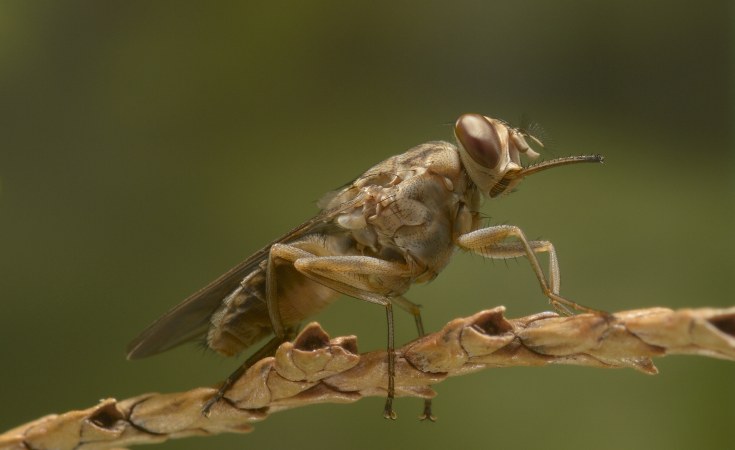
Sleeping sickness - formally known as human African trypanosomiasis (HAT) - is a parasitic disease transmitted by the bite of the tsetse fly.
Keep up with the latest headlines on WhatsApp | LinkedIn
Without treatment, the infection is almost always fatal, but Kenya's decades of vigilance and investment in public health have paid off.
"I congratulate the government and people of Kenya on this landmark achievement," said WHO director-general Tedros Adhanom Ghebreyesus. "Kenya joins the growing ranks of countries freeing their populations of HAT. This is another step towards making Africa free of neglected tropical diseases."
Distinctive symptoms
The first cases of sleeping sickness in Kenya were recorded in the early 20th century, at a time when the disease was sweeping through parts of Africa.
Rural communities lived under the shadow of the illness, which thrives in areas where people rely on farming, fishing, hunting or animal husbandry.
Sleeping sickness is caused by the parasite Trypanosoma brucei, which tsetse flies pick up from infected animals or people.
Once inside the human body, the parasite multiplies in the blood and lymphatic system before eventually invading the central nervous system.
This is when the most distinctive symptoms appear: personality changes, confusion, sensory problems, poor coordination - and the disruption of sleep cycles that gives the disease its name.
African healthcare at a crossroads after United States pulls WHO funding
Disease in decline
Sleeping sickness was once one of the great scourges of sub-Saharan Africa. In the late 1990s, almost 40,000 cases were being reported every year, with the true number believed to be much higher due to under-diagnosis in remote communities.
According to WHO figures, fewer than 1,000 cases have been reported annually across the entire African continent since 2018 - a remarkable public health turnaround.
This progress is thanks to coordinated international action, new diagnostic tools, safer treatments and community-based surveillance that has allowed health workers to respond quickly to outbreaks.

Sign up for free AllAfrica Newsletters
Get the latest in African news delivered straight to your inbox
The WHO has set an ambitious target of eliminating sleeping sickness as a public health problem across Africa by 2030.
WHO countries strike landmark deal on tackling future pandemics
Kenya's success follows similar announcements from nine other African nations: Benin, Chad, Equatorial Guinea, Ghana, Guinea, Cote d'Ivoire, Rwanda, Togo and Uganda.
While challenges remain in countries where the disease is still endemic, experts say the overall trajectory is highly encouraging.
For Dr Aden Duale, Kenya's Secretary for Health: "This validation marks a major public health milestone for Kenya, as we celebrate the elimination of a deadly disease in our country. The achievement will not only protect our people but also pave the way for renewed economic growth and prosperity."

