

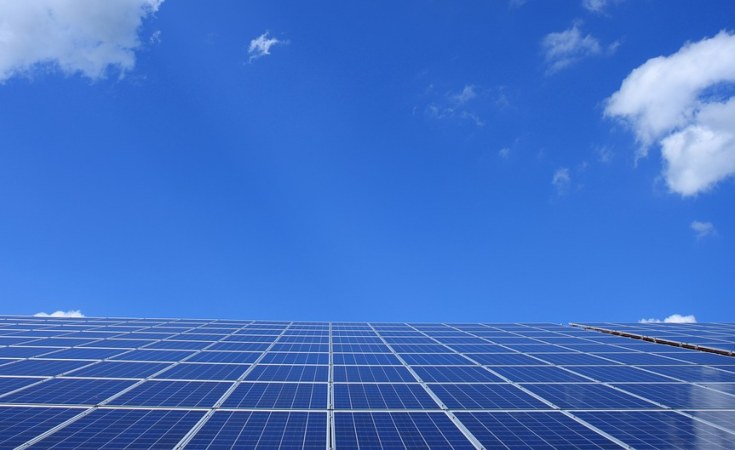
- Zambia is the first of four Health Facility Electrification (HFSE) implementors - alongside Pakistan, Ethiopia, and Uganda - to inaugurate a solarised facility
- Over 250 remote healthcare facilities across Zambia will be powered with solar energy, benefitting an estimated 1.3 million people
- Backed by Gavi funding, this initiative is designed to enhance the functionality of vaccine supply chains, power essential medical equipment, support staff housing and improve maternal and primary health services
Zambia has become the first country to inaugurate a solar clinic as part of Gavi's Health Facility Solar Electrification (HFSE) programme to power 250 clinics across the country.With a commitment of approximately US$ 28 million in funding, the HFSE initiative will deploy 5-8 kWp solar photovoltaic systems and cold chain equipment (CCE) in 1277 health facilities across four countries: Zambia, Ethiopia, Pakistan and Uganda. Gavi has contributed significantly to the roll-out of solar-powered cold chain equipment through the Cold Chain Equipment Optimisation Platform (CCEOP). However, fridges alone aren't enough. This pilot tests whether that model can be scaled to fully solarise health facilities by powering lights, equipment and digital tools. If successful, it could unlock co-investment and long-term government support for maintenance, ensuring sustainability.
By June 2026, once the project is complete, an estimated 25 million people living in the catchment areas of the newly solarised health facilities will benefit from an increased range of services such as expanded access to immunisation services and availability of clean water. This includes 1.3 million people in Zambia. One in four health facilities in sub-Saharan Africa have no access to electricity, and two in three lack reliable energy services - contributing to vaccine potency risks, delayed emergency care and sub-optimal maternal facilities that compromise the safety of mothers and newborns.
The solarisation of health facilities marks a major step forward in bringing clean, renewable energy to communities. For the first time, clinics that once lacked generators, night-time services and life-saving equipment now have reliable power to operate around the clock. This ensures that health workers can provide safe, effective care day and night, and that vaccines and critical equipment remain protected. By strengthening health systems, these countries are not only enhancing community resilience, but also contributing to climate resilience at a time when extreme weather events are becoming increasingly frequent.
Follow us on WhatsApp | LinkedIn for the latest headlines
"In places where one in four health facilities have no electricity, solarisation is more than a technical fix, it is a lifeline," said Dr Sania Nishtar, CEO of Gavi. "With $28 million in Gavi support, we're powering 1,277 clinics across four countries, starting with Zambia. This means vaccines stay at the right temperature, babies are born safely and health workers can care for patients day and night. It's a bold step toward climate-smart, people-centred healthcare, and Zambia is leading the way."
HFSE is designed as a learning agenda under Gavi's broader CCEOP, generating evidence and insights to inform future investments in sustainable energy solutions for health systems. This initiative addresses critical energy gaps that hinder vaccine storage, essential medical services, and maternal and child health care in remote and underserved areas. Ultimately, HFSE supports countries in delivering life-saving vaccines and essential health services to the most vulnerable populations, helping to close equity gaps and advance progress toward universal health coverage.
Notes to Editors
About Gavi, the Vaccine Alliance
Gavi, the Vaccine Alliance is a public-private partnership that helps vaccinate more than half the world's children against some of the world's deadliest diseases. The Vaccine Alliance brings together developing country and donor governments, the World Health Organization, UNICEF, the World Bank, the vaccine industry, technical agencies, civil society, the Gates Foundation and other private sector partners. View the full list of donor governments and other leading organisations that fund Gavi's work here.

Sign up for free AllAfrica Newsletters
Get the latest in African news delivered straight to your inbox
Since its inception in 2000, Gavi has helped to immunise a whole generation - over 1.1 billion children - and prevented more than 18.8 million future deaths, helping to halve child mortality in 78 lower-income countries. Gavi also plays a key role in improving global health security by supporting health systems as well as funding global stockpiles for Ebola, cholera, meningococcal and yellow fever vaccines. After two decades of progress, Gavi is now focused on protecting the next generation, above all the zero-dose children who have not received even a single vaccine shot. The Vaccine Alliance employs innovative finance and the latest technology - from drones to biometrics - to save lives, prevent outbreaks before they can spread and help countries on the road to self-sufficiency. Learn more at www.gavi.org and connect with us on Facebook and X (Twitter).

