

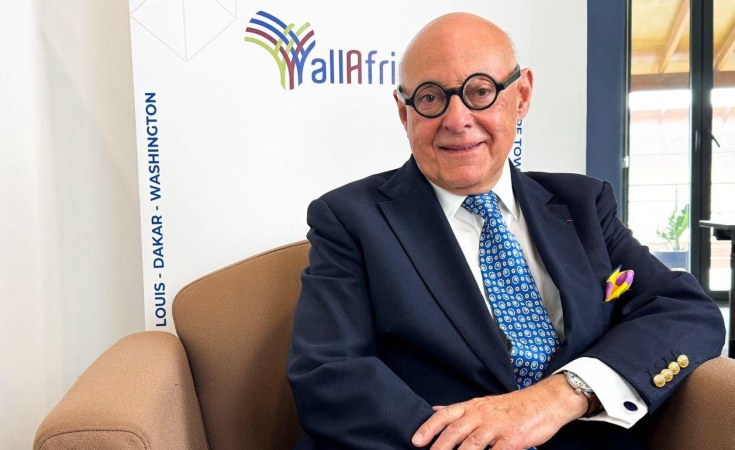
For over 30 years, Dr. Harper served as a consultant medical oncologist at Guy’s Hospital in London, where he revolutionized cancer care. A trailblazer in holistic treatment, he embraced this approach long before it gained mainstream acceptance.
Dr. Harper warned that without bold and proactive prevention strategies, Africa risks being overwhelmed by chronic diseases that already burden Western nations.
“The key is a pragmatic approach: harm reduction,” he stressed.
“Live Better, Not Just Longer”
Keep up with the latest headlines on WhatsApp | LinkedIn
Following a distinguished career at one of London’s top teaching hospitals, Dr. Harper has expanded his focus to global health and prevention. “Today, nearly a third of a person’s life is spent in poor health. It’s not just about living longer — it’s about living well,” he explained.
He advocates for a shift from longevity to sustainable health, emphasizing that an active, independent, and healthy life is far more valuable than a longer life plagued by illness.
Harm Reduction: A Compassionate, Realistic Strategy
Dr. Harper describes harm reduction as a human-centered and non-judgmental approach.
“None of us are perfect. Whether it’s tobacco, alcohol, or inactivity, the goal isn’t prohibition — it’s helping people make safer choices.”
This philosophy, already adopted in several European countries, focuses on supporting individuals rather than condemning behaviors.
“We don’t eliminate cars because they’re dangerous — we make them safer. The same logic applies to tobacco and alcohol.”
Tobacco: “The Danger Is in the Smoke, Not the Nicotine”
Dr. Harper points to tobacco control as a clear example of harm reduction.
“Nicotine is addictive, but it’s not carcinogenic. The real threat comes from the toxins released during combustion. Heating tobacco or using alternatives like heated tobacco, vaping or oral nicotine significantly reduces exposure to these harmful substances.”
He cites Sweden and Japan as success stories, where reduced-risk products have led to dramatic declines in smoking rates and tobacco-related illnesses.
A Critical Moment for Africa
With 70% of its population under 30, Africa still has time to act. But Dr. Harper cautions:
“Africa’s population will double by 2075 and age rapidly. Without intervention, chronic diseases like cancer, diabetes, and heart conditions could overwhelm healthcare systems.”

Sign up for free AllAfrica Newsletters
Get the latest in African news delivered straight to your inbox
He calls for smart prevention strategies — including education, pragmatic legislation, access to safer alternatives, and investment in local research.
“Senegal, for instance, has already shown leadership in public health. The challenge now is to anticipate future needs.”
Africa’s Decisions Today Will Shape Global Health Tomorrow
Speaking at the Scientific Forum Galien Afrique in Dakar on October 31, Dr. Harper addressed the urgent need for Research & Development for Health Sovereignty.
“When we talk about health sovereignty, we often think of independence. But in truth, real sovereignty in science and health requires interdependence — because it’s not isolation that builds strong, resilient systems. It’s partnership. The kind of partnership that strengthens capacity, transfers knowledge, and respects local leadership,” he emphasized.
Dr. Harper underscored that health sovereignty is not merely about self-sufficiency, but about building networks of trust and collaboration that empower African institutions to lead in innovation and response. He pointed to the importance of investing in local research ecosystems, supporting African scientists, and ensuring that knowledge flows both ways — from global partners to local communities and vice versa.
In closing, Dr. Harper urged African researchers and policymakers to adopt a long-term vision:
“Africa is on track to become the world’s most populous continent, with over 3 billion people. The choices made today will influence not only Africa’s future but the trajectory of global health.”
His remarks served as a powerful reminder that Africa’s leadership in health R&D is not just a regional priority — it is a global imperative.

