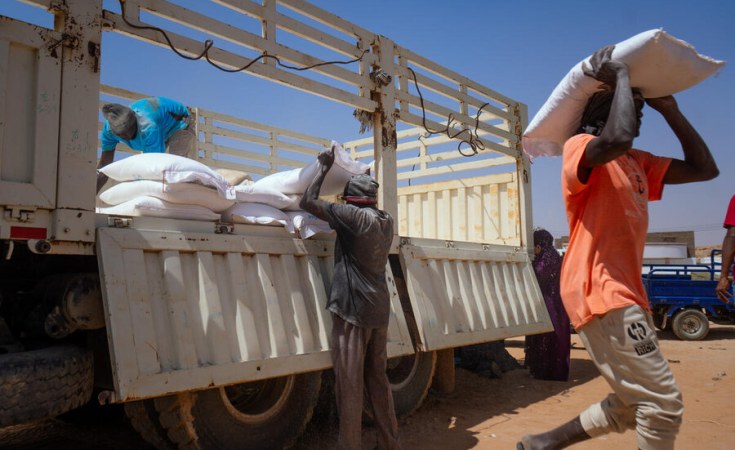
The UN Food and Agriculture Organization (FAO) and World Food Programme (WFP) warn of a major hunger emergency, with acute food insecurity set to worsen in 16 countries and territories between now and May 2026, putting millions of lives at risk.
A report released by the two UN agencies on Tuesday identifies six that are at the highest risk of famine or catastrophic hunger: Sudan, Palestine, South Sudan, Mali, Haiti, and Yemen. In these areas, some communities are projected to reach famine or near-famine conditions.Other countries of very high concern include the Democratic Republic of the Congo, Myanmar, Nigeria, Somalia, Syria, and Afghanistan. Additional hotspots include Burkina Faso, Chad, Kenya, and the situation of Rohingya refugees in Bangladesh.
'Famine is not inevitable'
Keep up with the latest headlines on WhatsApp | LinkedIn
Acute food insecurity means families cannot meet their basic food needs and often resort to desperate measures, such as skipping meals or selling essential possessions. At Phase 4 (Emergency) and Phase 5 (Catastrophe/Famine), hunger becomes life-threatening.
"Famine is not inevitable," said Cindy McCain, WFP Executive Director. "We have the tools and the knowledge to prevent it, but we need the resources and the political will to act now."
Children are especially vulnerable. Malnutrition weakens immunity, making them more susceptible to disease and death. The report warns that delayed action will cost lives and increase humanitarian costs.
What's driving the crisis?
The report highlights four main drivers:
- Conflict and violence: The leading cause in 14 of the 16 hotspots.
- Economic shocks: Fragile economies, high debt, and soaring food prices.
- Climate extremes: Floods, droughts, and cyclones linked to La Niña conditions.
- Reduced humanitarian aid: Funding shortfalls have forced ration cuts and limited malnutrition treatment.
"Conflict remains the single biggest driver of hunger," said Dongyu Qu, FAO Director-General. "But climate shocks and economic instability are compounding the crisis, leaving millions with no safety net."
What needs to happen now?
FAO and WFP call for urgent action to prevent famine:
- Humanitarian assistance to save lives and livelihoods.
- Anticipatory action--early interventions before crises escalate.
- Investment in resilience to tackle root causes, not just symptoms.
The agencies stress that the international community faces a narrowing window to act. Failure to respond will deepen hunger, destabilize regions, and lead to preventable deaths.
How you can help
You can support efforts to fight hunger by:
- Donating to WFP: https://www.wfp.org/donate
- Supporting FAO emergency programs: https://www.fao.org/emergencies
- Advocating for action: Share information and urge leaders to prioritize famine prevention.

Sign up for free AllAfrica Newsletters
Get the latest in African news delivered straight to your inbox
Every contribution helps provide food, nutrition, and livelihood support to those most in need.
