

Minister of health and social services Esperance Luvindao has confirmed an outbreak of the deadly Crimean-Congo haemorrhagic fever (CCHF) in Namibia, for which no vaccine or specific treatment exists.
This comes after a patient admitted in Windhoek tested positive for the disease last week.
Luvindao says the patient was admitted to a health facility in Windhoek on 18 November with symptoms consistent with CCHF and died the following day.
Laboratory results later confirmed the presence of the virus, and the ministry has extended condolences to the bereaved family.
Follow us on WhatsApp | LinkedIn for the latest headlines
Luvindao says the confirmation meets the World Health Organisation's threshold for declaring an outbreak, as even a single laboratory-confirmed case requires urgent intervention because of the disease's high fatality rate and potential for rapid spread. "While we urge the public not to panic, we want to assure the nation that the ministry is taking all necessary measures to contain the spread of the virus," she says.
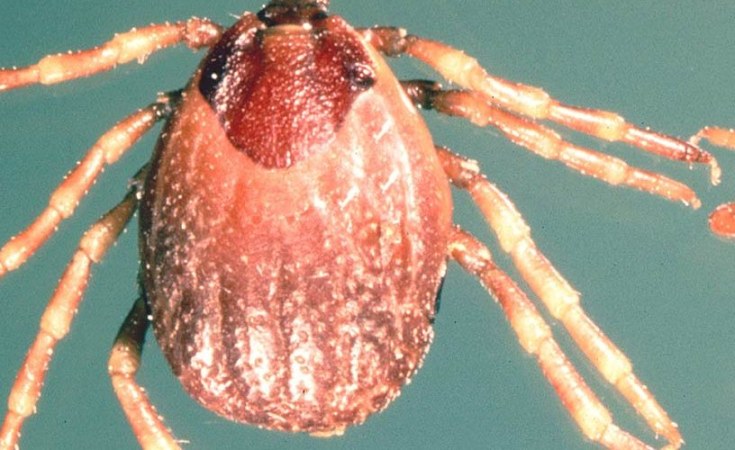
The ministry says CCHF is a severe viral haemorrhagic fever transmitted mainly through bites from infected ticks, particularly those of the Hyalomma species.
Transmission can also occur when humans come into contact with infected livestock, contaminated animal blood or tissue during slaughtering and butchering.
The ministry further warns that human-to-human transmission is possible through contact with infected blood or bodily fluids, including in healthcare settings where infection prevention measures are not followed.
Namibia has recorded previous outbreaks of CCHF, with cases reported between 2016 and 2023 resulting in seven infections and four deaths at a fatality rate of 57%.
Symptoms often begin suddenly and may include fever, muscle pain, dizziness, headache, sore eyes and sensitivity to light.
Luvindao says some patients may develop nausea, vomiting, diarrhoea and abdominal pain, while severe illness can lead to bleeding and organ failure.
The ministry emphasises that there is currently no vaccine and no specific cure for CCHF, making early diagnosis and intensive supportive care critical for improving survival rates.
Members of the public, particularly farmers, livestock workers and people living in tick-infested areas, have been urged to take heightened precautions.
The ministry advises the public to wear protective clothing when moving through grassy or bushy areas and to routinely check their clothing and skin for ticks after outdoor activities.
It encourages farmers to regularly treat livestock to control tick infestations and to avoid areas known for high tick activity, especially during seasons when ticks are most active.

Sign up for free AllAfrica Newsletters
Get the latest in African news delivered straight to your inbox
People handling animals or working in abattoirs have been urged to wear gloves and protective gear during slaughtering and butchering, and to treat or quarantine animals at least two weeks before slaughter to reduce tick loads.
To prevent person-to-person transmission, the ministry advises avoiding close contact with individuals suspected or confirmed to have CCHF, practising strict hand hygiene, and using protective equipment such as gloves when caring for sick individuals or when exposed to bodily fluids.
Luvindao says the ministry continues to monitor the situation closely and is working with relevant partners to strengthen surveillance and ensure that health facilities are fully prepared.
She urges individuals experiencing symptoms, particularly those who recently suffered tick bites or had close contact with animals, to seek immediate medical attention.
The ministry says further updates will be provided as the situation evolves.
The Namibian uses AI tools to assist with improved quality, accuracy and efficiency, while maintaining editorial oversight and journalistic integrity.

