Addis Ababa — United Nations experts have warned that the extremist group Al-Shabab continues to pose the most serious threat to peace and security in Somalia and the wider East African region, particularly neighboring Kenya.
In a report released this week, the UN panel said the group remains highly capable and resilient despite sustained military pressure from Somali forces and their international partners.
Regional countries have long been involved in counter-terrorism efforts, with Ethiopia playing a significant role through military interventions and close security cooperation with Somalia and global allies.
Ethiopian forces have participated in joint operations aimed at weakening Al-Shabab's operational capacity and preventing its cross-border expansion, as part of broader regional and international efforts to stabilize Somalia and enhance security across the Horn of Africa.
Keep up with the latest headlines on WhatsApp | LinkedIn
Ethiopian forces had effectively degraded the group's capabilities and prevent its cross-border expansion, as part of broader regional and international efforts to stabilize Somalia and enhance security in the Horn of Africa.
Despite these efforts, the report notes that Al-Shabab retains the ability to carry out sophisticated and well-coordinated attacks, including in Somalia's capital, Mogadishu.
The group also sustains its influence through extortion, forced recruitment, and extensive propaganda campaigns.
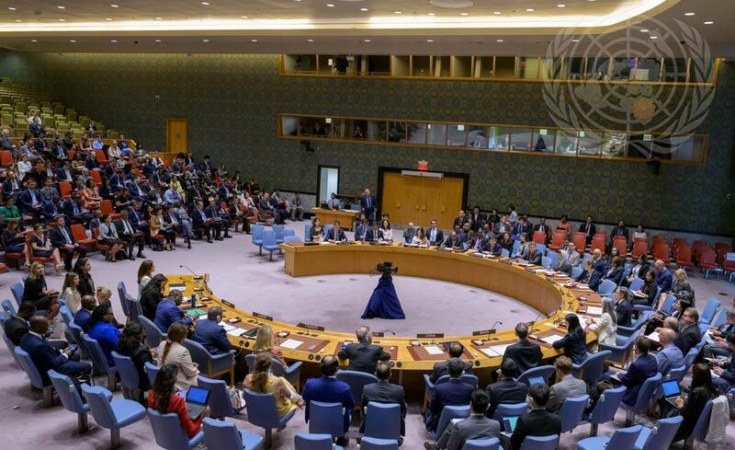
The UN Security Council recently voted to extend the mandate of the African Union's support and stabilization mission in Somalia through the end of 2026.
The mission includes nearly 12,000 personnel, including police officers.
UN experts also emphasized the threat Al-Shabab poses to Kenya, where the group has carried out frequent attacks this year, particularly in border regions such as Mandera and Lamu.
These incidents have targeted security forces and civilians and have included kidnappings, infrastructure damage, and livestock theft.
According to the report, Al-Shabab's long-term objective is to overthrow Somalia's government, expel foreign forces, and establish a larger Somali state governed by strict Islamic rule.
The experts also examined the activities of the Islamic State group in Somalia (ISIL-Somalia).
While smaller than Al-Shabab, the group has recruited fighters from several countries, mainly across East Africa. By the end of 2024, ISIL-Somalia reportedly had more than 1,000 fighters, many of them foreign nationals.
The panel warned that although ISIL-Somalia has fewer resources, its continued growth poses a significant threat to stability in Somalia and the wider region.

Sign up for free AllAfrica Newsletters
Get the latest in African news delivered straight to your inbox
