

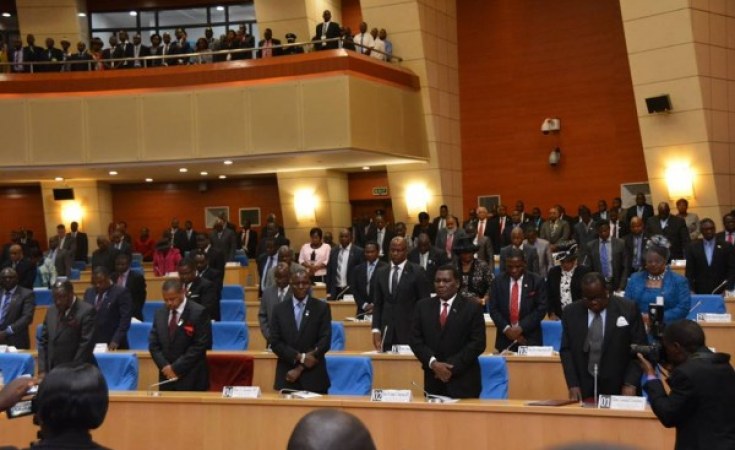
Baba Malondera, MCP Director of Youth and Member of Parliament, has slammed President Arthur Peter Mutharika for pardoning men convicted in the brutal killing of Buleya, a key witness in Malawi's high-profile albino murder cases, calling the decision "a betrayal of justice" and "an insult to the moral conscience of the nation." In a Facebook post, Malondera revealed that he had raised concerns in Parliament on 1 November when funds for the Malawi Prison Service were being approved, questioning whether the budget could be misused to facilitate politically influenced pardons.
"Nine months for a life. Nine months for terror. Nine months for a crime that traumatized an entire community and shamed a nation," Malondera wrote. He described the pardons as morally indefensible and a dangerous signal to both criminals and vulnerable groups in Malawi. The MP warned that the release of convicted murderers after serving less than a year of a 21-year sentence undermines public trust in the justice system and the government's ability to protect its most vulnerable citizens, particularly persons with albinism, who have faced repeated attacks over the years.
Malondera argued that Parliament failed in its oversight role when his warnings were brushed aside. "Parliament is not a rubber stamp; it is the guardian of the public purse and the conscience of the Republic. Yet my questions were ignored, dismissed, and silenced by procedure," he said. He stressed that technical processes, committees, and budgets can hide grave injustices if citizens, media, and civil society do not pay close attention to parliamentary oversight.
Keep up with the latest headlines on WhatsApp | LinkedIn
The MP called on the government to urgently explain who recommended the pardons, on what legal and moral grounds, and which public funds were used. He warned that presidential pardons should never be politicized, and accused the administration of placing political expediency above justice. "This is not mercy; it is betrayal," he said, highlighting the risk that political manipulation of the pardon process could embolden criminals and further traumatize victims' families and affected communities.
Malondera also challenged the media and civil society to go beyond chasing headlines, urging them to actively monitor parliamentary proceedings. "If we do not take Parliament seriously, injustices will continue to be hidden in budgets and committees, and public funds will continue to lubricate cruelty," he wrote. The MP revealed that he has faced threats and intimidation since raising these issues but vowed not to be silenced, emphasizing that protecting the public interest must outweigh personal risk.
Human rights advocates and members of the albino community have expressed outrage over the pardons, describing them as a setback in the fight against attacks on vulnerable groups. Analysts say the case exposes flaws in Malawi's presidential pardon system, highlighting the lack of clear legislation, oversight, and transparency, and raising questions about the moral and political responsibilities of those in power.

Sign up for free AllAfrica Newsletters
Get the latest in African news delivered straight to your inbox
For Malondera, the issue is not just legal but deeply moral. "This is about whether the state honors justice or allows it to be dismantled in daylight. The Buleya pardons send a message that some lives are worth less than political convenience," he said. The MP's intervention underscores a wider call for accountability, demanding that the government clarify its actions and ensure that the rights and dignity of Malawi's most vulnerable citizens are protected.

