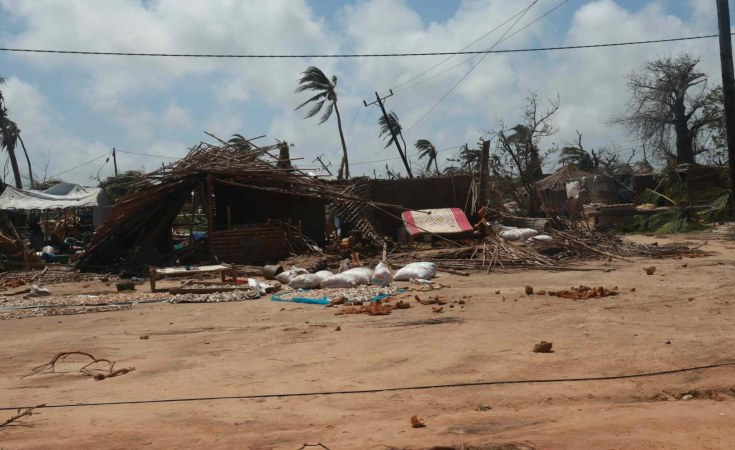
Brazzaville — Intense rainfall and severe flooding since mid-December 2025 have affected around 1.3 million people in southern Africa, destroyed houses and critical infrastructure and disrupted access to health services, heightening risks of water- and mosquito-borne diseases.
About half of the people affected are in Mozambique, according to preliminary assessments by the World Health Organization (WHO). The floods have also affected parts of Malawi, South Africa, Tanzania, Zambia and Zimbabwe. Urgent humanitarian needs include shelter, safe water and access to essential health services.
Water-borne diseases, particularly acute watery diarrhoea and cholera are serious threats in sites hosting people displaced by the deluge due to overcrowding, poor access to hygiene and sanitation services as well as inadequate safe water. Mozambique was already experiencing a cholera outbreak in the northern and central provinces. So far, no cases have been reported in the flood-affected areas, but disease surveillance has been strengthened.
With widespread displacement and poor water, hygiene and sanitation infrastructure, there are also risks of acute respiratory infections, pneumonia and skin diseases. Disruptions in routine health services could increase maternal and newborn illness and deaths, while interrupted HIV and tuberculosis treatment, missed immunizations and reduced services for noncommunicable diseases also pose serious health threats.
Keep up with the latest headlines on WhatsApp | LinkedIn
WHO and partners are supporting national authorities in the disaster response. Activities include pre-positioning cholera and other essential health supplies, establishing health response coordination at provincial and district levels and strengthening active disease surveillance and prevention measures.
"We're working closely with governments and partners to ensure timely and effective response to this devastating disaster. Our immediate focus is preventing disease outbreaks, maintaining essential health services, saving lives and protecting the most vulnerable communities," said Dr Mohamed Janabi, WHO Regional Director for Africa.
Establishing mobile clinics in flood-affected areas, ensuring functional emergency obstetric and newborn care services in displacement sites as well as intensifying diarrhoea and cholera prevention are among the immediate priority measures being undertaken. Disease surveillance, improving water, hygiene and sanitation services as well as maintaining essential services are also being reinforced.
While the floods have raised the risk of cholera, across the African region there has been a decline. A total of 4385 cases have been reported so far in January 2026 from 10 countries compared with more than 20 000 cases reported from 14 countries in January 2025.
Response to other public health emergencies is bearing fruit. Following intensified response, an outbreak of diphtheria that affected eight African countries in 2025 is declining, with fewer than 100 cases reported in the week ending on 20 January compared with around 800 cases a week that were reported at the peak of the outbreak in the first week of November 2025.

Sign up for free AllAfrica Newsletters
Get the latest in African news delivered straight to your inbox
The mpox outbreak has also slowed down. Cases have declined significantly, with only 269 reported so far in January 2026 compared with about 5300 a year ago.
Thanks to rapid and concerted response, Ethiopia has reported no new cases of Marburg virus disease since 13 December 2025 and is on course to declaring the outbreak over on 26 January if no new cases are reported.
WHO and partners continue to support countries to strengthen health emergency preparedness and response to ensure rapid detection and response to infectious disease outbreaks through robust systems, expertise and strong collaboration.
