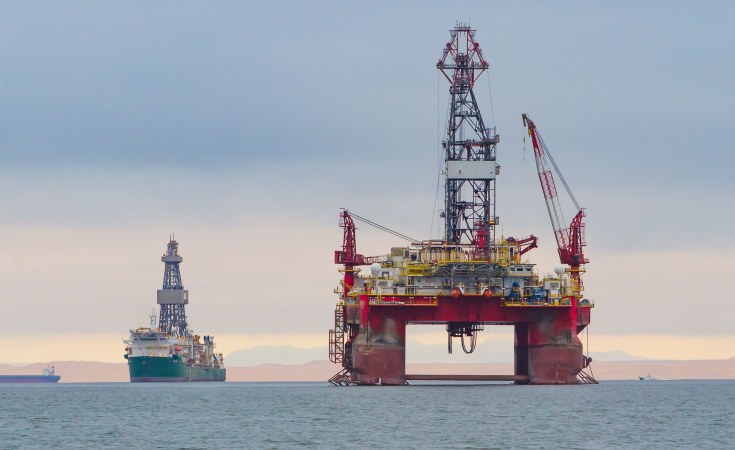
The Venus oil and gas project is unlikely to generate revenue for the Namibian government before 2035.
The project's environmental and social impact assessment presented to the government on 12 January estimates that significant government revenue can only be expected five years after the first oil is produced.
The Namibian government can collect revenue from the project through taxation, levies, and other payments.
"Total government revenue may total around N$127 billion to N$229 billion considering a 25-year project time frame," the report says.
Keep up with the latest headlines on WhatsApp | LinkedIn
This is in addition to any second-order benefits generated by the project.
"Oil royalties and levies could become a significant medium- to long-term revenue source relative to projected government revenue of N$97.2 billion for the 2028/29 financial year, and easily reach 20%+ of total revenue in the first couple of years," Standard Bank economist Helena Mboti says.
The most significant tax will be the petroleum income tax, levied at a rate of 35% of taxable income.
But the tax will only kick in after the company has recouped its initial upfront investment.
The construction of the project, which is estimated to last five years, is likely to cost US$15 billion.
The assessment estimates that it would take four to six years for the project to recoup the upfront investment costs, depending on the price of oil.
During the years between first oil and implementation of the pressure integrity test, the project will contribute to government revenue through royalty and export levies.
The current taxation regime sets the royalty at 5% of gross revenue and the export levy at 1.5% of gross exports.
"In the early years after the final investment decision, government revenues would mainly come from royalties.
Although not an immediate windfall, these revenues would still be meaningful relative to Namibia's current fiscal position," Mboti says.
If Total Energies delays its final investment decision to 2027, substantial public revenue from the petroleum levy will further be delayed.
"A delayed final investment decision could raise concerns if it is linked to domestic issues such as policy uncertainty, regulatory instability or changes to fiscal terms, particularly given Namibia's frontier-market status.
"However, if the delay is driven by external factors like global oil price volatility or capital discipline by international oil companies, the impact on confidence would be less severe, with investors likely to wait rather than exit," she says.