Government has declared a polio outbreak in Malawi, raising fresh public health fears and reviving memories of the 2022 crisis that shook the country.
In a statement, the Ministry of Health and Sanitation confirmed a resurgence of the deadly disease, describing it as the second wave of polio in recent years.
The declaration follows the detection of the polio virus in Blantyre City, after laboratory tests on fecal samples collected from one of the city's public toilets confirmed the presence of the virus.
The statement, signed by Principal Secretary Dr. Dan Namarika, says the discovery signals active circulation of the virus and poses a serious threat to public health, especially to children.
Follow us on WhatsApp | LinkedIn for the latest headlines
"The Ministry of Health and Sanitation hereby declares a polio outbreak in Malawi following confirmation of the virus in Blantyre. This marks a resurgence of the disease similar to the outbreak experienced in 2022," reads part of the statement.
The ministry has called on all Malawians to take the situation seriously and immediately adopt preventive measures, with vaccination identified as the most critical line of defense.
Acting on advice from the World Health Organisation (WHO), government says it has activated emergency response systems and is intensifying surveillance, vaccination campaigns and community awareness to stop further spread.
"Following advice from WHO, the Ministry is working around the clock to contain the outbreak, just as we did in 2022. We urge the public to maintain high standards of hygiene and ensure that all children are fully vaccinated," the statement adds.
Polio is a highly infectious viral disease that attacks the nervous system and can cause permanent paralysis or disability, particularly in children under five.
The disease has historically left thousands of people in Malawi and across Africa with lifelong physical disabilities, many of whom contracted it before widespread vaccination became available.
Polio spreads mainly through contaminated water or food, as well as direct contact with infected persons, making poor sanitation and overcrowded conditions major risk factors.
Health experts warn that the detection of the virus in sewage is a dangerous sign, as it suggests silent transmission within communities, even before clinical cases are reported.
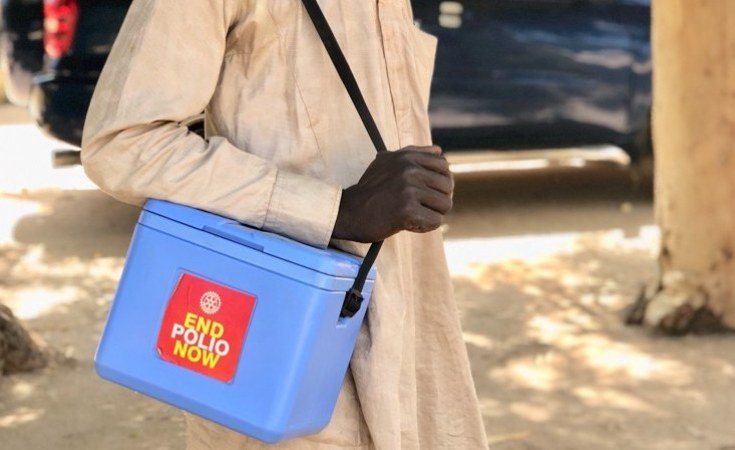
The Ministry says mass vaccination campaigns are expected to be rolled out nationwide, with health workers going door to door to ensure no child is left unprotected.
Government has urged parents, guardians, schools and community leaders to cooperate fully with health teams, warning that failure to contain the outbreak could reverse years of progress made in eliminating the disease from Malawi.

Sign up for free AllAfrica Newsletters
Get the latest in African news delivered straight to your inbox
