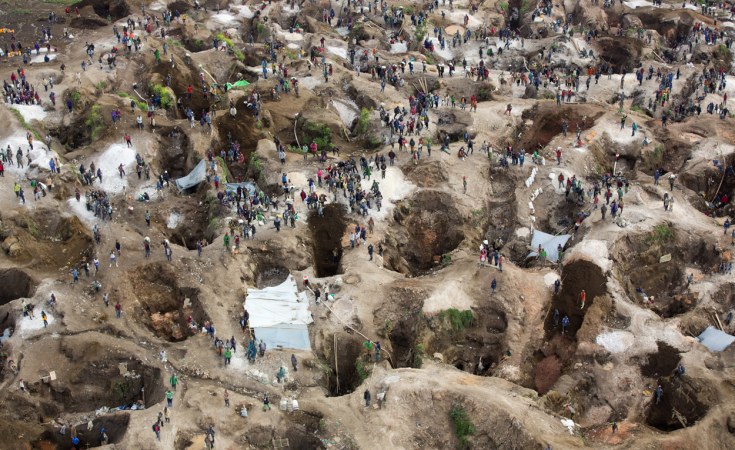
Global Witness is calling for businesses and governments to better consider the human cost of rare earth minerals, following the horrific mine disaster in the Democratic Republic of Congo recently.
More than 200 people have been killed in a landslide in one of Rubaya's coltan mines in the country's east, with rescue operations still ongoing days after the incident.
The mines produce around 15% of the world's coltan and have been under the control of the Rwanda-backed armed group M23 since late April, 2024. They generate an estimated US$800,000 a month, helping to finance the M23 group's insurgency.
Keep up with the latest headlines on WhatsApp | LinkedIn
A report last year from Global Witness exposed how coltan is smuggled to Rwanda and sold into international markets, including to an EU-based trader. Coltan is widely used in electronic products such as smartphones, laptops, and electric vehicles, for which there is great demand in the Global North.
Global Witness' ongoing reporting has documented at least four deadly landslides during the last 18 months. Miners have spoken about strong pressure to extract as much coltan as possible and lack of safety mechanisms. Global Witness has also found evidence of children working in the mines.
Global Witness Head of Policy & Advocacy Emily Iona-Stewart said:
"Working conditions in artisanal mines in DRC are extremely dangerous, and deadly incidents have been alarmingly frequent in the Rubaya mines since the M23 takeover."This tragedy is a stark reminder to companies sourcing coltan from North Kivu and Rwanda that these minerals carry a high risk of fuelling conflict and human rights abuses. The extraction of resources must never come at the cost of human lives."
"We must not repeat the mistakes of the exploitative oil and gas industry in the green energy transition, which must be just and equitable for the communities and countries where the minerals are produced. Urgent action to tackle the climate crisis cannot come at their expense."
Global Witness is calling for:
- Companies financing, producing, using or trading DRC's coltan to ensure that their investments and operations - as well as those of their subsidiaries and suppliers - adhere to international environmental and human rights standards, and all existing Congolese laws;
- Companies, including investors and financiers, to take responsibility to establish and implement robust due diligence policies and procedures and disclose their findings in order to prevent, identify, mitigate and account for human rights, environmental and governance risks throughout their operations, including supply chains and business relationships; and,
- The Congolese government to ensure disclosure of all mining contracts and beneficial owners of mining companies and public, project-level reporting for all payments related to Congo's mining contracts, in line with Extractive Industries Transparency Initiative (EITI) reporting standards and best practice and address weaknesses in DRC law that allow senior government officials to participate in extractive deals.

Sign up for free AllAfrica Newsletters
Get the latest in African news delivered straight to your inbox
Authors
- Media enquiries [email protected] +44 (0) 7912517127
