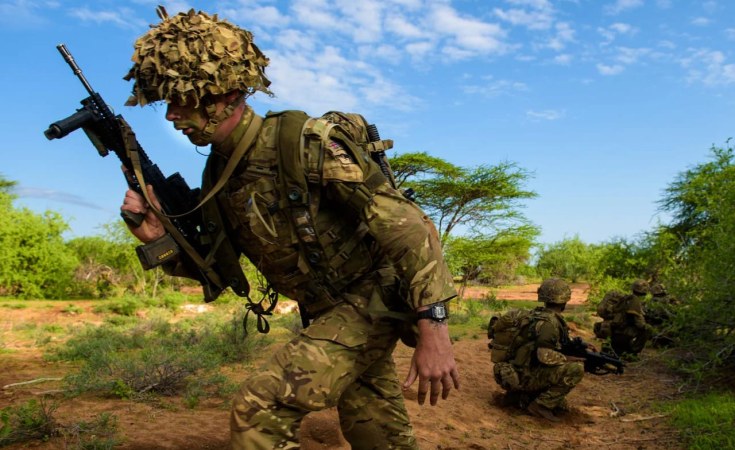
The British Army's training unit in Kenya, known as BATUK, has operated for many years in Laikipia and Samburu counties. Its main base is Nyati Barracks in Nanyuki town.
This unit works under a controversial defence agreement between the UK and Kenya. People in the area have very different views about BATUK. Initial intended benefits behind this operation included jobs for locals, money flowing into businesses (hotels, transport, shops), and help from projects such as building classrooms, digging boreholes, holding medical camps, and cleaning up the environment.
However, locals tell painful stories of harm and loss. Survivors describe deep suffering from sexual abuse, physical attacks, environmental damage, unexploded bombs, and tensions over land use.
Human rights groups and a Kenyan parliamentary committee say the economic gains do not cancel out these serious social and environmental costs and demand better oversight and real accountability.
Survivors share their experiences:
One young woman met a British soldier while working as a bar attendant in Nanyuki. "We became friends, then lovers," she said. He gave her gifts and money. After a few months, she became pregnant.
"He said it was fine and promised to support the baby." But things changed. In April 2021, he stopped visiting. When she confronted him at another bar, he attacked her physically – she lost two teeth and got hurt. He sent her Ksh 50,000 later and told her to handle the pregnancy alone. Now she raises their mixed-race son without his help. She faces stigma and rejection from society. She hopes the UK will follow a late-2025 London court order to release names of soldiers who fathered and then abandoned children with Kenyan women.
Another woman described a traumatic assault. "In 2016, he forced himself on me while pretending to be drunk," she recalled. She got pregnant.
Before the baby arrived, he disappeared and cut all contact. She has raised their mixed-race child alone, with no support from the father – a British soldier.
A middle-aged woman worked as a casual labourer at Lolldaiga conservancy in 2021. She was three months pregnant when a fire started during British training exercises.
Thick, strong smoke and fumes filled the air. A week later, she miscarried. Doctors linked it to breathing in toxic substances from the fire caused by the soldiers.
"The smoke was poisonous – that's what led to the loss of my baby," she said.
These women, who asked to stay anonymous for safety, feel afraid to speak out because of intimidation.
They say justice is hard to get due to questions about whether cases should go to Kenyan or UK courts. A lawyer helping these survivors explained the struggles. "It's difficult to get women to share their trauma after so many years," he said. "Evidence is hard to gather; witnesses often won't testify. Authorities don't give these cases enough priority." He urged quick action: "These wrongs must end."
The simple fix is to take offenders to court and charge them. Justice stops impunity. In December 2025, Kenya's National Assembly Committee on Defence, Intelligence and Foreign Relations released a 94-page report after a two-year investigation into BATUK. It described "a disturbing trend of sexual misconduct by BATUK personnel, marked by sexual abuse, assault, and abandonment of children fathered by soldiers."
Many cases were dropped, poorly handled, or never investigated. Survivors often faced denial of justice from local authorities.
The report criticised BATUK for refusing to appear before the committee, calling it "institutional contempt" for Kenya's parliament and sovereignty. Beyond sexual issues, it linked soldiers to unlawful detention, harassment, fatal accidents, and other violations.
Many locals see BATUK more as an occupying force than a partner.
The committee recommended changes: give Kenyan courts power over serious crimes like sexual abuse and murder; create a strict code of conduct for foreign troops; improve protections for the environment and human rights; and arrange support – including child maintenance – for children fathered by British soldiers, through talks with the UK government.
On a related case, Britain's Defence Secretary James Heappey expressed sympathy for the family of Agnes Wanjiru, a Kenyan woman allegedly killed by a British soldier in 2012 at Lions Court Hotel in Nanyuki. Speaking on BBC, he said he was willing to meet her family – but stressed the meeting would not mean the UK admitting guilt.
Survivors and leaders call for better support services and real legal options to address these harms.

