

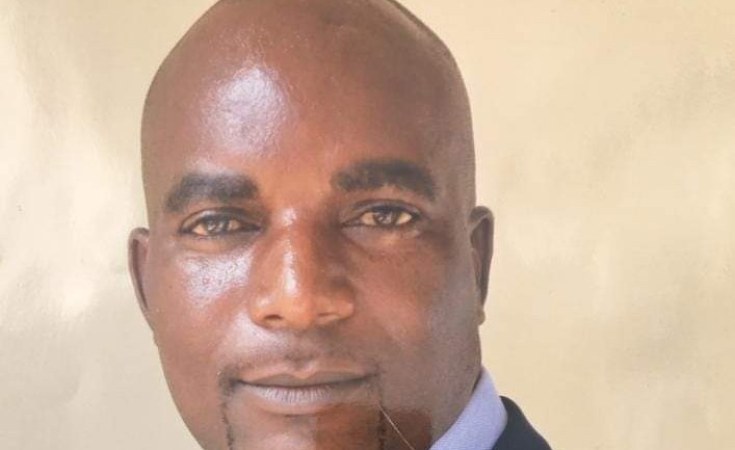
The state is moving to collapse long-standing corruption cases against former cabinet minister and Democratic Progressive Party (DPP) southern region governor Charles Mchacha, in a development that sharpens scrutiny over Malawi's political will to prosecute high-level graft and raises fresh concerns about selective justice.
Court records indicate that on March 24, 2025, the court will hear an application to discharge in Criminal Case No. 1015 of 2021, Charles Mchacha & Others, a legal step that, if granted, would terminate proceedings before the matter is fully tried, effectively wiping away years of stalled prosecution without judicial determination of the allegations.
The case, brought by the Anti-Corruption Bureau (ACB), centres on accusations that Mchacha abused public office, including claims that he diverted K539,000 in public funds from the Lilongwe Water Board to finance a honeymoon at Ryalls Hotel, with charges spanning abuse of office, theft, and money laundering, allegations that--despite their seriousness--have lingered in the system since 2021 without resolution.
In a separate but related matter, investigators allege that Mchacha illegally acquired public land in Kanjedza Forest through inducement of public officers, before registering the property in his daughter's name, prompting the Financial Crimes Court in June 2025 to issue a seizure order declaring the land "tainted property" pending the outcome of criminal proceedings, a status that now hangs in uncertainty should the discharge application succeed.
Keep up with the latest headlines on WhatsApp | LinkedIn
The attempted withdrawal of the cases at this stage--after years of procedural drift--fits a pattern that critics argue has come to define Malawi's handling of high-profile corruption: dramatic arrests and public outrage followed by protracted delays and, ultimately, quiet legal exits that avoid full trial scrutiny, eroding confidence in both prosecutorial resolve and institutional independence.
The development has intensified accusations that the Executive is exerting influence over corruption cases, with commentator Sylvester Ayuba James warning that the state risks discrediting its own anti-corruption agenda by withdrawing cases it once championed, arguing that responsibility is increasingly being deflected toward the Judiciary while decisions to discontinue prosecutions originate elsewhere, reinforcing a perception that accountability is uneven and politically contingent.
The March 24 hearing now carries weight far beyond the fate of a single accused individual, as it will test whether the courts will permit the case to be discharged without trial or insist that allegations involving public funds, abuse of office, and illicit land acquisition be subjected to full judicial examination, a decision that will signal whether Malawi's anti-corruption framework can withstand political pressure or continues to falter at the threshold of accountability.


