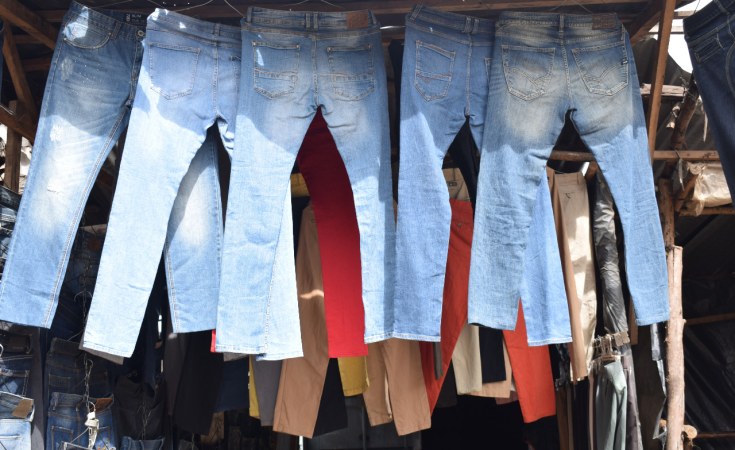
Ministry of Industry and Commerce has moved to formalise the ban on second-hand clothing imports, despite concerns over the country's struggling clothing value chain.
The ban, now legally enforced under Statutory Instrument 59 of 2026, prohibits the importation of second-hand clothes unless expressly authorised through a government-issued permit.
Under the new regulations, permits will be granted under strict conditions to ensure that imported goods do not enter the commercial market.
However, market watchers have raised concerns over the timing of the policy, arguing that while reviving the local clothing industry is necessary, such measures should be aligned with the sector's recovery capacity.
As it stands, Zimbabwe's clothing value chain remains fragile, with limited capacity to meet domestic demand.
Cotton production remains significantly low, while the textile manufacturing sector continues to struggle. A large proportion of clothing available on the local market is still sourced from foreign suppliers.
Industry players also face operational challenges, including outdated machinery and equipment, which contribute to high production costs and reduced efficiency compared to regional and international competitors.
Some stakeholders argue that focusing solely on second-hand clothing imports may not fully address the sector's underlying issues, noting that Zimbabwe imports a far greater volume of cheap new clothing, which continues to dominate the market.
According to data from Trading Economics, Zimbabwe imported clothing worth approximately US$1.37 million from China in 2024, underscoring the scale of reliance on foreign apparel.


