

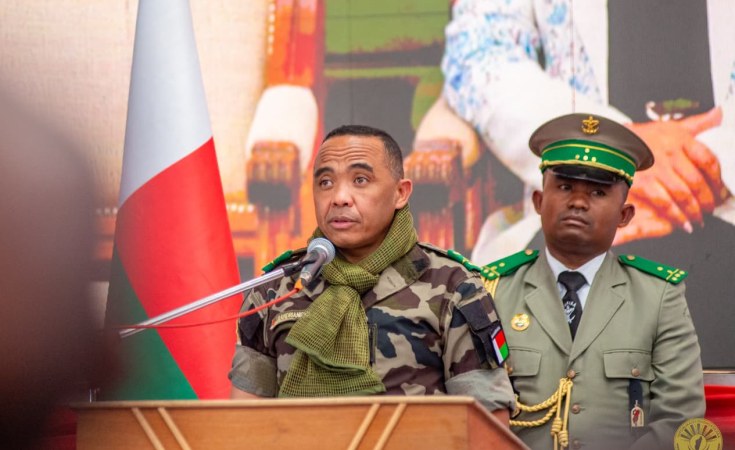
Madagascar's youth-led uprising promised a break from corruption and exclusion, but six months after the military takeover, repression and political consolidation have replaced reform. As the junta tightens control while preparing for elections, the risk is growing that democratic transition will serve only to legitimise a more entrenched form of authoritarian rule.
In late September, people in Madagascar took to the streets to protest rapidly deteriorating living conditions. Led by the Gen Z Madagascar youth movement, thousands protested against years of poor governance and corruption. Public frustration was compounded by the perceived colonial humiliation that came with finding out that the country's president, Andry Rajoelina, was also a French citizen.
The protesters demanded that Rajoelina step down, a non-negotiable position that created the conditions for a military takeover two weeks later. On October 17, Colonel Michael Randrianirina was sworn in as head of state, promising to address the protesters' grievances and to transition the country to elections within two years.
Six months later, the protesters' demands remain unmet.
Repression, rather than investigations into those suspected to be responsible for killing dozens and injuring more than a hundred, now defines the country. The politics of exclusion, rather than meaningful participation by youth, women, and civil society in shaping reforms in the transition, has taken hold. Like the military regimes in the Central Sahel, Randrianirina's junta has been all about political expressions of gendered narratives of strength and protection - dominance, decisiveness, coercion, authority and the capacity to impose...


