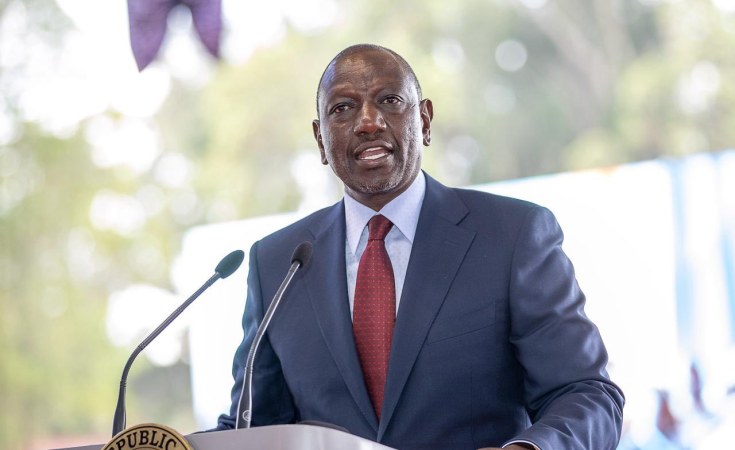
Nairobi — President William Ruto has vowed a firm crackdown on oil cartels in the petroleum sector as investigations intensify into an alleged artificial fuel shortage that has rocked Kenya's energy industry and triggered the arrest and resignation of top officials.
The President said the government will take decisive action against any individuals or networks found to have manipulated fuel supply systems for personal gain, warning that no one will be spared if implicated in the ongoing investigations.
"These cartels in the energy sector will not be allowed to operate freely. They will not escape accountability," he said.
He emphasized that accountability will be enforced regardless of rank or position, as the State moves to dismantle what he described as entrenched cartel networks within the energy sector.
Follow us on WhatsApp | LinkedIn for the latest headlines
"In 2022, we talked about ending corruption and many did not believe it. They thought it was a bluff. I want to say here today, we will not talk about corruption we will do what needs to be done to end it in this country," he said.
Ruto's remarks come as the Directorate of Criminal Investigations (DCI) continues probing allegations that senior officials in the energy sector were involved in falsifying national fuel stock data. Investigators allege the manipulation created a manufactured supply crisis that triggered emergency procurement outside established procedures.
Authorities are also examining procurement approvals, fuel importation records, and internal reporting systems as part of the widening investigation into the alleged scandal.
The developments have already led to high-level resignations and arrests within key energy institutions, as scrutiny of Kenya's petroleum supply chain continues to intensify.
Petroleum Principal Secretary Mohamed Liban, Kenya Pipeline Company (KPC) Managing Director Joe Sang and the Energy and Petroleum Regulatory Authority (EPRA Director General Daniel Kiptoo resigned following allegations of manipulating national fuel stock data to trigger an artificial sense of shortage.
Chief of Staff Felix Koskei said preliminary findings indicate that the officials are suspected of falsifying in-country fuel stock levels, allegedly creating panic and an impression of an impending fuel supply crisis.
According to Koskei, the manipulated data was used to justify emergency fuel procurement outside the established Government-to-Government (G2G) framework, leading to a shipment that was allegedly overpriced and of substandard quality.
"The emergency shipment was procured in blatant breach of the G2G framework, in complete disregard of established emergency procurement procedures," Koskei stated.
The alleged scheme reportedly took advantage of rising global oil prices and heightened public concern, influencing urgent procurement decisions that bypassed normal accountability safeguards.

Sign up for free AllAfrica Newsletters
Get the latest in African news delivered straight to your inbox
Investigations into the matter are ongoing, with authorities expected to review procurement processes, fuel import documentation, and internal data reporting systems across key energy agencies.
The developments come in the wake of a broader crackdown within the energy sector, which saw several senior officials arrested in an early morning operation on April 3.
The three who have resigned and Deputy Director of Petroleum Joseph Wafula were taken to DCI headquarters along Kiambu Road for questioning, although Liban Mohamed was later released after reportedly developing medical complications.
Investigators are probing the alleged diversion of a 60,000-metric-tonne fuel consignment that was initially destined for Angola but instead rerouted to the Port of Mombasa under unclear circumstances.
The shipment, carried aboard the vessel MV Paloma, is believed to have docked in Mombasa between March 27 and March 29, 2026.
Detectives suspect the cargo may have entered the Kenyan market outside the established government-to-government oil importation framework.
Preliminary findings indicate that the fuel originated from Saudi oil giant Saudi Aramco before being sold to another international firm and allegedly redirected through a local Kenyan importer.
