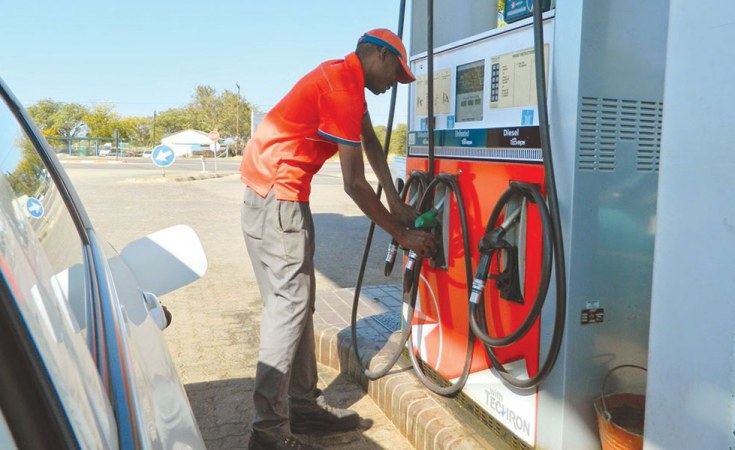
Dar es Salaam — AS fuel prices continue to skyrocket, the government has stepped in by introducing a subsidy of 259/- per litre on diesel, recognising its critical role in economic and social activities.
According to the latest price cap announced yesterday by the Energy and Water Utilities Regulatory Authority (EWURA), effective May 6, 2026, the retail price of petrol in Dar es Salaam has increased to 4,115/- per litre, while diesel is now retailing at 4,248/- per litre.
This marks a substantial increase of 295/- for petrol (about 7.7 per cent) from 3,820/- in April and 442/- (about 11.6 per cent) for diesel from 3,806/- per litre recorded last month.
Fuel prices across the world have continued to soar due to global market pressures that are linked to the ongoing conflict in the Middle East and the closure of the Strait of Hormuz, a key global oil transit route.
Follow us on WhatsApp | LinkedIn for the latest headlines
The introduction of a subsidy of 259/- per litre on diesel, aims at cushioning the economic shocks, recognising its critical role in economic and social activities such as industrial production, freight transport and public transport services.
According to the statement issued by EWURA, these price adjustments signal mounting operational costs for businesses, particularly those reliant on transport and energy inputs.
However, the regulatory authority said the government continues to implement measures to ensure consistent fuel supply and maintain price stability as far as possible, in order to mitigate broader economic and social effects.
The statement explained that the primary driver behind the increase is the conflict that began in February 2026 involving the United States, Israel and Iran.
The conflict has disrupted key oil production, storage and refining infrastructure, leading to reduced global supply and significant price increases.
Additionally, the closure of the Strait of Hormuz, through which approximately 20 per cent of the world's oil supply passes, has severely affected global fuel availability.
It has also led to increased shipping and insurance costs, reduced tanker traffic, logistical delays and further upward pressure on international oil prices.
As Tanzania imports a substantial portion of its petroleum products from the Middle East, these global disruptions have had a direct impact on the domestic market.
EWURA reports that refined petroleum prices in the Arab Gulf market rose sharply in April 2026 compared to February levels.
Furthermore, importation costs through the Port of Dar es Salaam increased by an average of 6.2 per cent for petrol, 5.4 per cent for diesel and 7.2 per cent for kerosene.
Although the applicable exchange rate improved slightly, decreasing by 3.7 per cent, this was insufficient to offset the surge in global oil prices and associated logistics costs.
According to EWURA, price variations are also evident across regions. While petrol in Dar es Salaam is priced at 4,115/- per litre, consumers in Katoro, Kagera Region, are facing the highest price at 4,375/- per litre.
Commenting on the pump price hike, analysts have cautioned that the recent surge in fuel prices is likely to trigger widespread economic strain, particularly for low-income households.
Economist and cum investment banker, Dr Hildebrand Shayo, said fuel is a fundamental input across the economy, meaning rising petrol and diesel costs inevitably push up transport expenses and, consequently, the prices of food, manufactured goods and services.
He explained that this dynamic fuels costs push inflation, eroding purchasing power while increasing operational costs for businesses, which may reduce profitability and deter investment.
He recommended targeted subsidies, tax adjustments and long-term investment in alternative energy and transport systems.
Speaking on the development, MOIL Energies Investment Manager, Dr Sajad Habib Rai, commended the government for its proactive approach, noting that the interventions have helped stabilise the domestic fuel market despite mounting global pressure.
Dr Rai said the diesel subsidy has significantly helped to reduce the impact of rising fuel prices, particularly in the transportation sector, where diesel remains the dominant source of energy for both cargo and public transport services.
"We commend the government for introducing this subsidy. To a considerable extent, it has helped to ease the burden caused by rising fuel prices. Not every country in the world has taken such measures, yet the current fuel supply constraints are a global challenge," he said.

Sign up for free AllAfrica Newsletters
Get the latest in African news delivered straight to your inbox
He noted that within the East African region, Tanzania was the first country to announce fuel prices for May, in line with its established practice of releasing prices on the first Wednesday of every month.
This system, he said, makes Tanzania's pricing trends a key indicator of market expectations for neighbouring countries.
Dr Rai further emphasised that Tanzania continues to rank among the countries with relatively affordable fuel prices in East Africa, with other nations expected to announce higher increases due to persistent pressure in the global oil market.
He urged Tanzanians to continue supporting government efforts during this period, as authorities explore additional measures to mitigate the effects of global fuel price volatility linked to the ongoing geopolitical tensions in the Middle East.
Dr Rai assured that oil traders would continue collaborating closely with the government to ensure fair and efficient fuel distribution across the country, without discrimination, in order to avoid unnecessary complaints from consumers.
