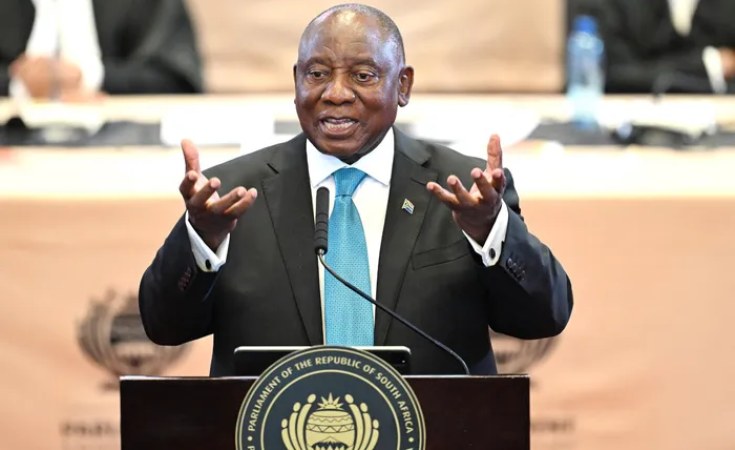
The term, impeachment, is being bandied about these days in various countries because of the behaviour of some very senior officials, but what, exactly, is an impeachment? What does it mean, and where did it come from? Let's take a quick deep dive into this question (to enable readers to speak with knowledgeable authority to friends).
In essence, impeachment is the mechanism a nation's legislature or another legally empowered body uses to bring charges against a public official for misconduct in order to remove that individual from office. In simple terms, think of impeachment effectively as an indictment or criminal charge and a conviction as the guilty verdict.
FOR CONTEXT Ramaphosa bets on legal review to stall Phala Phala impeachment proceedings May 11, 2026
In practical terms, impeachments tend to be confined to high-level officials such as ministers, cabinet officials or heads of government. Lower-level officials usually lose their jobs (or should do so) through standard personnel or human resources channels.
Impeachment is used for senior officials because the unique nature of their positions may put them effectively beyond the reach of the law to prosecute, or if their misconduct is not codified into law as an offence, save as in charges of serious violations of the standards and expectations of their high office, or effectively criminal behaviour.
In the US, at the national level, impeachment is limited to charges of "treason, bribery, or other high crimes and misdemeanours," although the latter half of that phrase does not have an explicit definition in...

