Nairobi — Hundreds of commuters across Kenya faced severe transport disruption Monday after a nationwide public service vehicle (PSV) strike over soaring fuel prices paralysed movement in major towns and along key highways.
From Nairobi to Nakuru, Nyandarua and Busia, the coordinated shutdown by matatu operators triggered road blockades, commuter confusion, long walking distances and rising transport costs as security agencies struggled to contain sporadic unrest.
The strike, backed by major PSV operators including Super Metro, Metro Trans, Forward Travellers SACCO, Latema Travellers and Countrylink, exposed the extent to which Kenya's economy depends on public transport networks.
Keep up with the latest headlines on WhatsApp | LinkedIn
In Nairobi, the Central Business District remained relatively calm despite a sharp decline in PSV operations, with many bus stages deserted during the morning rush hour.
A spot check at usually busy termini including Super Metro and Embassava stages found large sections empty as stranded commuters scrambled for alternative transport.
Thousands of passengers were forced to walk long distances to work after matatus disappeared from major routes, while boda boda operators and ride-hailing services sharply increased fares due to surging demand.
For some commuters travelling from the Nairobi CBD to Eastlands, ride-hailing fares rose from about Sh300 to over Sh700, while boda boda charges also increased significantly.
Teargas
Police fired teargas around 9:40am to disperse a small group of protesters in the city centre as authorities responded to isolated disturbances.
Road blockades were also reported along Kasarani-Mwiki Road, Outer Ring Road and Donholm as police moved in to restore order.
Nairobi North County Commissioner Simon Osumba said security teams had been deployed to contain disruptions and ensure normal movement resumed.
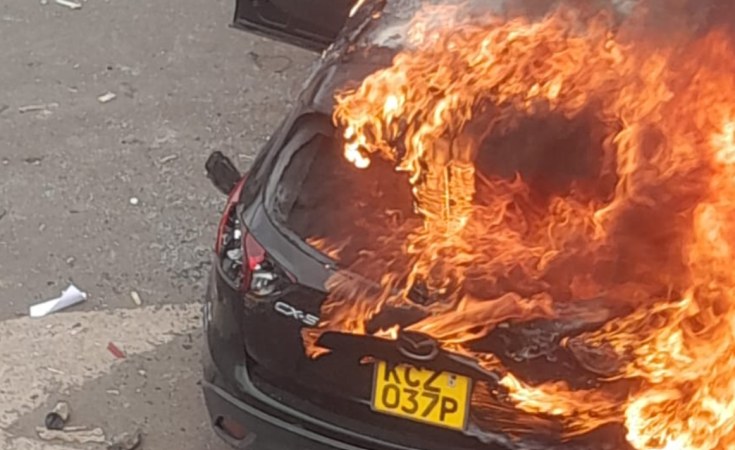
The disruption was particularly severe along Thika Road near Githurai and Kenyatta Road, where protesters lit tyres and erected barricades, forcing motorists to make abrupt U-turns.
Huge plumes of smoke billowed across sections of the highway as traffic ground to a near standstill, affecting workers, traders and students heading into the capital.
Groups of youth occupied sections of the road as stranded commuters watched from a distance amid growing tension.
In Nakuru County, transport along the busy Gilgil Highway was disrupted after protesters blocked sections of the road using burning tyres and makeshift barricades.
The highway, which serves as a critical transport corridor linking Nairobi to western Kenya and the Rift Valley, experienced major delays as motorists were diverted.
Security officers were deployed to restore calm and reopen the road.
Nakuru County Commissioner Layford Kibaara confirmed the disruption and said authorities were monitoring the situation closely.
Nationwide chaos
In neighbouring Nyandarua County, suspected goons believed to have travelled from Laikipia set tyres ablaze in Mairo-Inya town, escalating fears that criminal groups could infiltrate the demonstrations.
Police launched an operation led by the area OCS to restore order and prevent further escalation.
Nyandarua County Commissioner Abdirizak Jaldesa said security teams had moved swiftly to contain the unrest and secure affected areas.
Unlike other regions, Busia County experienced relatively normal traffic flow despite reduced PSV operations.
Busia County Commissioner Stephen Orinde said no demonstrations or road blockades had been recorded, although some operators suspended services in solidarity with the nationwide strike.
Cross-border movement
Authorities said movement across the Kenya-Uganda border remained largely uninterrupted.
The nationwide shutdown was triggered by mounting anger among transport operators over record fuel prices, which they say have made business operations unsustainable.
In separate advisories issued Sunday evening, several PSV firms announced suspension of operations in protest against rising diesel and petrol costs.

Sign up for free AllAfrica Newsletters
Get the latest in African news delivered straight to your inbox
Metro Trans said the continued rise in fuel prices had severely disrupted normal business operations and warned that cheaper kerosene compared to diesel and petrol risked encouraging fuel adulteration that could damage vehicle engines.
Forward Travellers SACCO said it had suspended operations in solidarity with fellow motorists protesting the fuel price hikes.
Latema Travellers also announced a temporary suspension of services, apologising to passengers for the inconvenience.
The coordinated strike is one of the largest transport protests witnessed in the country in recent years, bringing together matatu operators, truckers, boda boda associations, ride-hailing drivers and private motorists under the Transport Sector Alliance.
The alliance is demanding immediate reversal of the latest fuel price increases, lower pump prices and reforms in the petroleum sector.
The unrest follows the latest fuel review that pushed petrol prices in Nairobi above Sh214 per litre while diesel climbed to nearly Sh243 per litre, sparking public outrage over the rising cost of living.

