

Communities in eastern Democratic Republic of Congo and neighboring Uganda are on high alert following a deadly outbreak of Bundibugyo Ebola virus that has already killed at least 134 people.
Health officials say the outbreak is evolving rapidly, with dozens of new infections reported within the last 48 hours. The situation has also drawn international attention after an American healthcare worker contracted the virus while treating patients in the DRC and was later transferred to Germany for specialized treatment.
For residents living near the Uganda-DRC border, memories of past Ebola outbreaks remain deeply unsettling, with health workers urging calm but vigilance.
Keep up with the latest headlines on WhatsApp | LinkedIn
"This creates fear because people know how dangerous Ebola can be," said one regional health worker involved in community awareness campaigns. "At the same time, people are being encouraged not to panic but to report symptoms early."
The outbreak began earlier this month in Bunia Health Zone in northeastern DRC, where healthcare workers first reported severe unexplained illness. Initial laboratory tests failed to confirm Ebola, creating confusion among medical teams before later genetic testing identified the Bundibugyo strain on May 15.
Since confirmation, cases have risen sharply. Health authorities now report 536 suspected cases, 105 probable cases, and 34 confirmed infections, alongside 134 deaths. Officials further note that 26 confirmed cases and 143 suspected cases were recorded within just two days, indicating a rapidly accelerating spread.
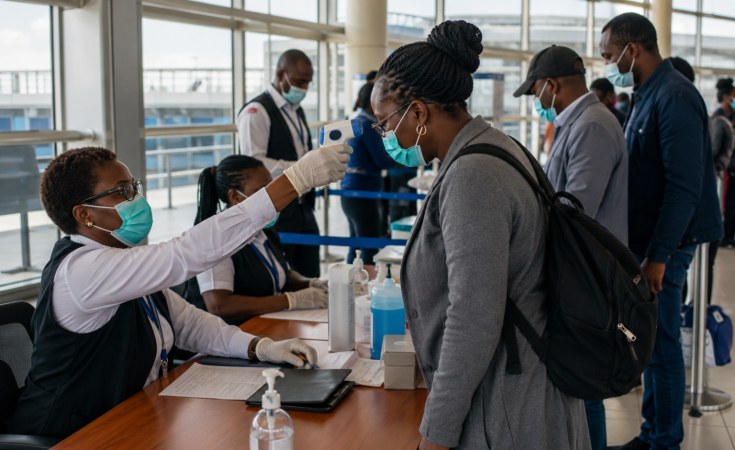
Uganda has confirmed two imported cases linked to travelers from the DRC, including one death. Authorities say no further local transmission has been detected, though surveillance, contact tracing, and screening at border points have been intensified.
Medical experts warn that Bundibugyo Ebola virus is particularly challenging to contain because early symptoms often resemble malaria or typhoid, delaying diagnosis and treatment. Patients in the current outbreak have presented with fever, headache, vomiting, severe weakness, abdominal pain, nosebleeds, and in severe cases, vomiting blood.
Health officials also note that most infections have affected adults aged 20 to 39, with women representing a larger proportion of cases.
The Democratic Republic of Congo, which has now recorded its 17th Ebola outbreak since 1976, continues to grapple with recurring outbreaks despite repeated containment efforts. The most recent outbreak had only been declared over in December 2025, underscoring the persistent public health threat posed by the virus in the region.


