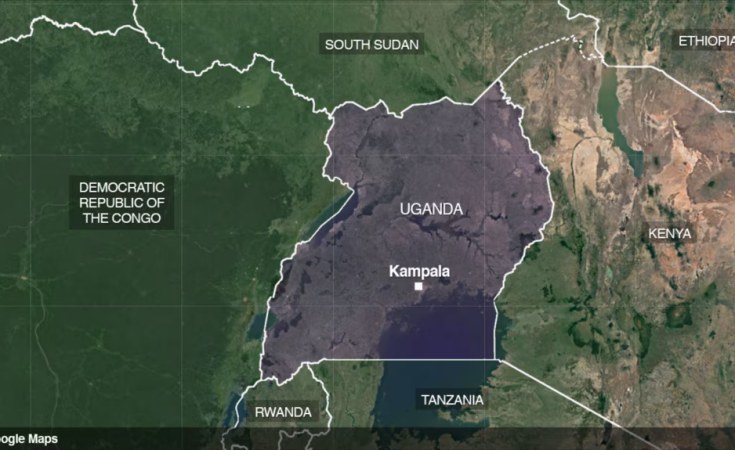
Uganda has suspended flights, border transport and weekly markets in high-risk border districts after confirming two imported Ebola cases linked to the outbreak in eastern DR Congo, as authorities move to prevent a repeat of the deadly 2023 epidemic response delays.
The Permanent Secretary in the Ministry of Health, Dr Diana Atwine, announced a raft of emergency measures during a media briefing at the Uganda Media Centre in Kampala.
"Weekly markets in high-risk border sub-counties are suspended for 40 weeks. Flights to and from DRC to Uganda suspended taking effect within 48 hours and border security patrols will be enhanced to reduce unnecessary cross-border movements," Atwine said.
She added that all Ugandans, not just those in high-risk areas, must observe standard operating procedures.
Follow us on WhatsApp | LinkedIn for the latest headlines
"This applies to non-weekly markets and all border districts, including schools, prisons, hotels, and places of worship across the country," she said.
Dr Atwine said clarified that there are no reported cases of Ebola in Uganda and that the individual who was receiving treatment has tested negative.
"We are now awaiting her recovery and discharge," she added.
The ministry also suspended public passenger transport on ferries operating on the Semliki River, cross-border bus transport and other public transport between Uganda and DR Congo for four weeks, with only goods and food transport exempted.
"All Ugandans, not just those in high-risk areas are called upon to follow standard operating procedures. This applies to non-weekly markets and all border districts, including schools, prisons, hotels, and places of worship across the country," she said.
The measures follow confirmation of an imported Ebola case in Uganda this week.
The case involved a Congolese national who travelled into Uganda and later died at Kibuli Hospital. Health officials tested samples from the deceased after DR Congo officially declared an Ebola outbreak, and the results confirmed the Ebola Bundibugyo strain.
A relative who had contact with the deceased was isolated but Dr Atwine said she had tested negative.
The outbreak escalated international concern after an American doctor working in DR Congo's Ituri region tested positive for the haemorrhagic fever and was later airlifted to Germany for treatment.
The World Health Organisation subsequently declared the outbreak an international public health emergency.
President Museveni has also moved swiftly to curb large gatherings and movement. On Monday, he cancelled this year's Martyrs Day celebrations in an effort to reduce the risk of transmission among pilgrims and travellers.

Sign up for free AllAfrica Newsletters
Get the latest in African news delivered straight to your inbox
Government officials say the tough measures are informed by lessons from the 2022-2023 Ebola outbreak centred in Mubende and neighbouring districts, where delayed containment efforts contributed to more than 30 deaths.
