Uganda has announced sweeping public health restrictions, including the suspension of flights, border transport, and weekly markets in high-risk districts, following confirmation of two imported Ebola cases linked to the ongoing outbreak in the neighbouring Democratic Republic of Congo.
The measures were agreed upon during a meeting of the National Task Force on Ebola Virus Disease convened by Vice President Jessica Alupo, as government moves to tighten containment systems and prevent further cross-border transmission.
According to the resolutions, government will intensify mass risk communication and sensitisation campaigns on infection prevention and control across the country, using radio, television, social media, cultural and religious institutions, and local government structures.
Follow us on WhatsApp | LinkedIn for the latest headlines
Authorities also directed strict enforcement of standard operating procedures in schools, markets, prisons, hotels, and places of worship.
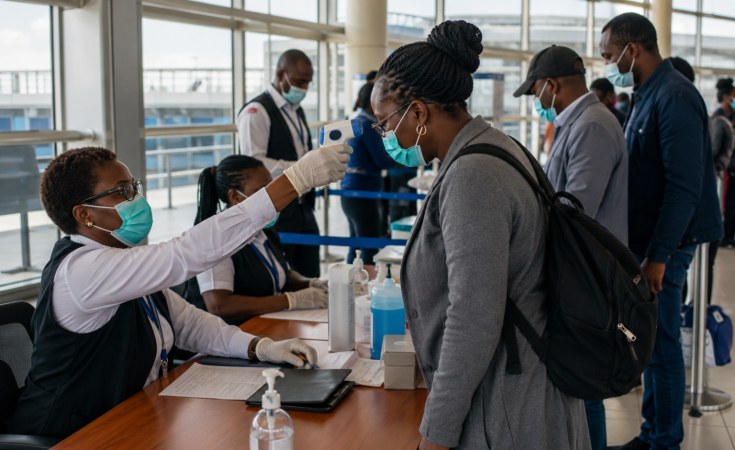
The task force further approved enhanced screening, testing, and treatment capacity along the DRC border, alongside increased death reporting in all districts, with emphasis on high-risk border areas and the Kampala Metropolitan Area, which has been identified as vulnerable due to population movement linked to imported cases.
In a significant escalation of border controls, government ordered the temporary suspension of all flights between Uganda and DR Congo, effective within 48 hours.
Public passenger transport on ferries along the Semliki River, cross-border bus services, and all other public transport between the two countries have also been suspended for four weeks, with only goods and food transport exempted.
Weekly markets in border sub-counties of high-risk districts have been suspended for four weeks, while cultural celebrations and commemorations attracting large crowds near the DR Congo border have also been halted temporarily.
Authorities further directed enhanced security patrols along porous border points to reduce unauthorised movement, and restricted cross-border travel to essential movement only through designated entry points.
The Ministry of Health has separately emphasised that Uganda has not registered any locally transmitted Ebola cases, confirming that all known infections so far are imported from DR Congo.
Permanent Secretary Diana Atwine said all contacts of confirmed cases are under close observation and have so far tested negative.
The confirmation follows earlier reports of a Congolese national who travelled into Uganda and later died at Kibuli Hospital, with laboratory tests confirming the Ebola Bundibugyo strain after DR Congo declared an outbreak. A contact linked to the deceased was isolated but later tested negative, easing fears of wider transmission.
Government officials have pointed to lessons from the 2022-2023 Ebola outbreak in central Uganda, where delayed containment contributed to over 30 deaths, as justification for the rapid and restrictive response this time.

Sign up for free AllAfrica Newsletters
Get the latest in African news delivered straight to your inbox
President Museveni has sought to reassure the public, saying Uganda's surveillance systems are capable of containing the situation and stressing that Ebola spreads only through direct contact with symptomatic patients.
He also urged early reporting of suspected cases, saying timely intervention significantly improves survival.
Despite public anxiety heightened by the World Health Organisation's declaration of an international public health emergency over the DRC outbreak, health authorities maintain that Uganda remains on high alert but under control, with schools expected to reopen on schedule under strict enforcement of health guidelines.
The task force also directed enhanced support for schools in border districts, including screening measures such as temperature checks, handwashing facilities, and rapid referral systems for suspected cases, while maintaining the education calendar.
Authorities have urged the public to remain vigilant, adhere to all Ministry of Health guidance, and promptly report suspected Ebola cases to the nearest health facility as surveillance systems are intensified nationwide.
