

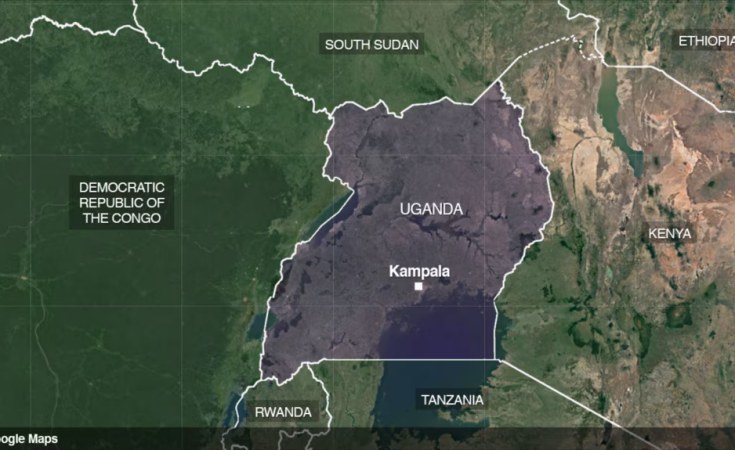
The Ministry of Health has said Uganda has not registered any new Ebola cases apart from the two imported infections from the Democratic Republic of Congo (DRC), as government moves to tighten surveillance and intensify public awareness campaigns across the country.
Speaking during a media briefing at the Uganda Media Centre in Kampala, Permanent Secretary at the Ministry of Health, Diana Atwine, said all contacts linked to the imported Ebola cases are currently under observation and none has tested positive so far.
"At the moment, Uganda has not registered any positive Ebola cases apart from the two imported cases from DRC," Atwine said.
She explained that the country remains on high alert because of the continued Ebola outbreak in neighbouring DR Congo, warning that border districts and refugee-hosting areas remain vulnerable to transmission.
Follow us on WhatsApp | LinkedIn for the latest headlines
According to the Ministry, high-risk areas identified include districts along Uganda's western border, refugee settlements and the Kampala Metropolitan Area due to movement linked to the imported cases.
Atwine revealed that government will intensify mass sensitisation campaigns on infection prevention and control measures, including enforcement of standard operating procedures in markets, schools, hotels, places of worship and prisons.
"We encourage everybody, not only in high-risk districts, but across the country, to observe the standard operating procedures," she said.
The Ministry also announced tighter monitoring of movements across the Uganda-DRC border, saying essential travel will only be allowed through designated entry points.
"We shall continue to facilitate essential movement of populations across borders but limit it to designated crossing points," Atwine said, adding that security controls at border points have been strengthened.
The Permanent Secretary confirmed that schools will reopen as scheduled and there are currently no plans to postpone the academic calendar because of the Ebola threat.
However, she urged school administrators and the Ministry of Education to strictly enforce health guidelines, especially in border districts where some learners cross daily from DR Congo into Uganda.
"We cannot deny these children education at this time, but schools must remain vigilant," she said.
Atwine advised schools to strengthen screening measures, including temperature checks, handwashing and monitoring children for Ebola symptoms. She noted that any suspected learner should immediately be isolated and referred to health teams for testing.
She emphasised that Ebola is only transmissible when an infected person begins showing symptoms such as fever, vomiting, diarrhoea, sweating or bleeding.
"Ebola can only spread if someone starts shedding the virus through sweat, vomit, diarrhea, urine or blood," she said.

Sign up for free AllAfrica Newsletters
Get the latest in African news delivered straight to your inbox
Health officials warned that the Bundibugyo strain of Ebola, which has a case fatality rate of about 50 percent, remains a serious public health threat requiring heightened vigilance across the country.

