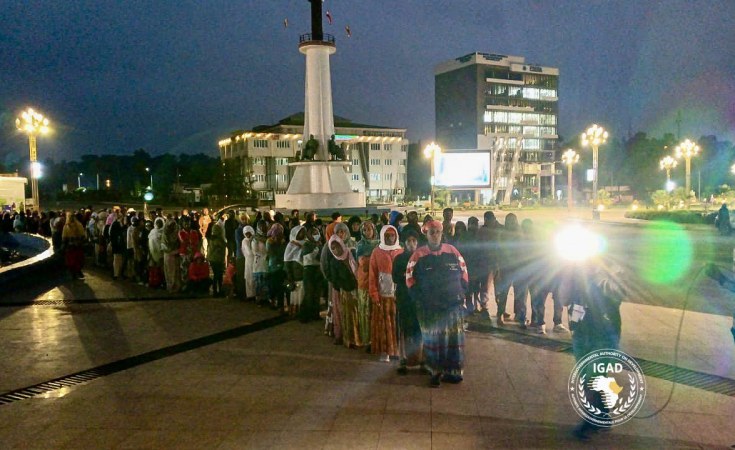
Addis Ababa, June 1, 2026 --Millions of Ethiopians began casting their ballots on Monday as the country launched its 7th General Election, a vote widely seen as a significant milestone in Ethiopia's ongoing democratic journey.
Citizens across the nation are electing members of nine regional state councils and a new federal parliament, which will subsequently play a key role in forming the next government and shaping the country's political direction.
Election officials, security personnel, observers, and polling staff have been deployed nationwide to facilitate what is expected to be one of Africa's largest and most closely watched electoral exercises.
Beyond its electoral significance, the vote is being viewed as an important institutional process for Ethiopia, one of Africa's most populous and strategically influential nations.
Follow us on WhatsApp | LinkedIn for the latest headlines
The outcome is expected to help define the country's political landscape and development trajectory in the years ahead.
The scale of the election is reflected in its remarkable figures.
More than 54 million registered voters are eligible to participate, choosing from candidates representing 42 political parties.
Over 10,000 candidates are competing for public office, while approximately 52,000 polling stations have been established across the country to ensure broad voter access.
The election has drawn considerable attention both domestically and internationally. International observers are monitoring the process, while local and global media outlets are providing extensive coverage.
Analysts regard the vote as one of the most consequential democratic exercises on the African continent, given Ethiopia's regional influence, demographic weight, and growing geopolitical importance.
Polling stations opened at 6:00 a.m. across the country, with long queues of voters forming early in the morning as citizens exercised their democratic right and participated in shaping the future of their nation.


