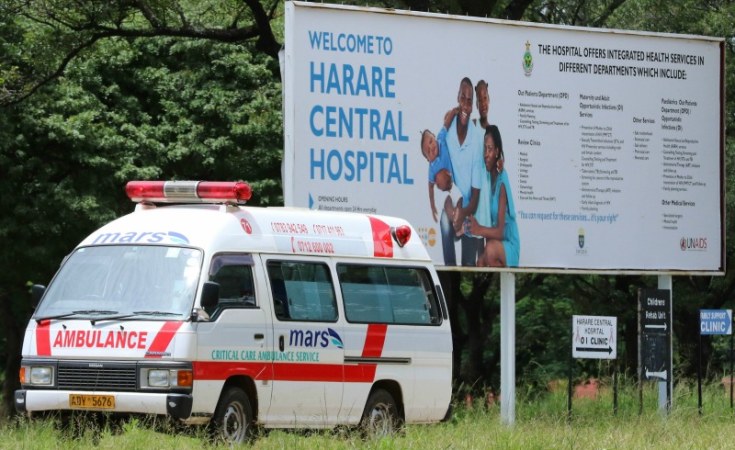
THE Ministry of Health and Child Care (MoHCC) says it is struggling to keep hospitals running, retain health workers in rural areas and secure essential medicines as unpredictable funding, collapsing donor support and growing disease burdens pile pressure on the health system.
Appearing before the Health and Child Care Parliamentary Portfolio Committee last Tuesday for the 2027 pre-budget consultations, Health secretary Aspect Maunganidze and the Health Service Commission (HSC) said while government has maintained hospital services and public health programmes in the first half of 2026, the system is operating under severe fiscal strain.
Maunganidze said the ministry's desire was to have at least 70 percent availability of essential medicines across facilities, but current levels were hovering around 50 percent.
Keep up with the latest headlines on WhatsApp | LinkedIn
The shortage extends to commodities for non-communicable diseases, particularly patients with renal failure who require dialysis, and blood products that are critical to reducing maternal mortality.
He attributed the crisis largely to the late and unpredictable release of funds to NatPharm, the central procurement agency, which has made it difficult to maintain consistent stocks.
The situation, he said, has had a direct relationship with patient outcomes, with some institutions already recording a rise in institutional maternal and neonatal deaths linked to shortages of blood and other commodities.
"The funding challenge was a recurring theme. For 2026, the ministry had an approved budget of ZWG28.94 billion, but by September only slightly over half had been released, with utilisation of released funds at over 90 percent.
"For 2027, the ministry presented a bid of ZWG89.27 billion but has been given an indicative target of ZWG29.83 billion by Treasury, just 33 percent of what it needs," Maunganidze told the Committee.
Committee members pressed the ministry to explain payments to NatPharm and why, despite being allocated funds, releases remained low and erratic.
On the human resources front, both the ministry and HSC acknowledged a deepening distribution and retention crisis.
More than 14,000 posts were created between 2026 and 2027, including 8,000 village health worker posts, and recruitment is between 50 and 60 percent complete through new models such as ADOTSI and RIPIGC.
However, many of the newly recruited health workers were refusing to take up postings in hard-to-reach districts, a problem raised by MPs who represent those constituencies.
The HSC said this has forced it to undertake a scientific rural health institution mapping exercise that grades every facility by hardship using indicators such as road access, housing, network connectivity and availability of schools, creating a three-tier categorization to inform allowances.

Sign up for free AllAfrica Newsletters
Get the latest in African news delivered straight to your inbox
The need is urgent because the current rural retention scheme funded by the Global Fund ends in December this year, according to Maunganidze.
