On Feb. 24, the Moroccan counterterror agency broke up a terrorist cell calling itself "the Lions of the Caliphate in the Maghreb Al Aqsa." Authorities said the group was making remote-controlled bombs to carry out attacks in the North African country.
In November, a similar terrorist cell was dismantled in the Spanish cities of Seville and Ceuta.
The connection? Both Moroccan and Spanish authorities said the groups were aligned with Islamic State in The Sahel.
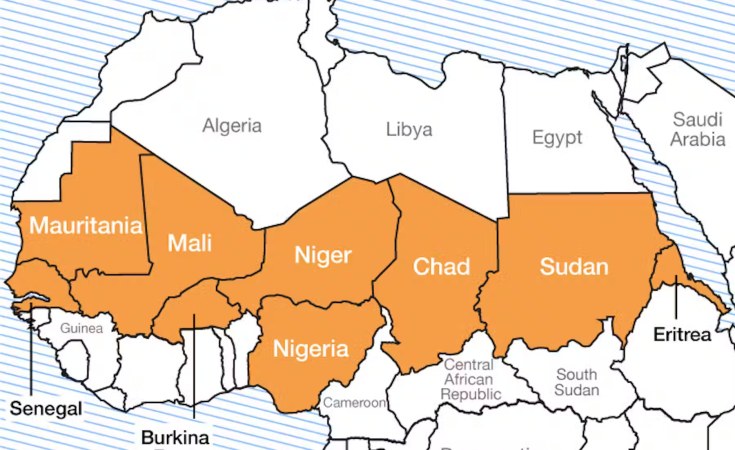
The group is best known for wreaking a devastating wave of violence across Burkina Faso, Niger and Mali, plunging these countries into chaos and fueling a spiraling humanitarian crisis.
Keep up with the latest headlines on WhatsApp | LinkedIn
But analysts say the foiled terror cells farther afield are a worrying sign.
"Because the counterinsurgency infrastructure in Mali, Burkina Faso and Niger has been compromised, then it allows them to make inroads into other countries that they perceive to be vulnerable," said Beverly Ochieng, a senior analyst at geopolitical risk consultancy Control Risks.
Ochieng said IS Sahel's strategy appears increasingly focused on exploiting security gaps beyond their core Sahelian strongholds.
"IS Sahel has seen that its expansion could be directed much further West and much further North, and Morocco would be one place which would be of strategic interest to it," she said.
Andrew Lebovich of the Dutch international affairs think tank Clingendael said these disrupted plots are indicative of IS Sahel's broader ambitions.
"It does suggest an ongoing effort to increase operations in different ways in other countries," he said, adding that Algeria is facing an increasing threat.
And it's not just North Africa that's at risk. Ochieng warns that countries traditionally seen as stable, such as Guinea or even Senegal, could become future targets for IS Sahel militants too.
In March, the Global Terrorism Index named the Sahel the epicenter of global terrorism for the second year running.


