NAIROBI, Kenya, June 3 -- The United States has announced a major shift in its approach to Sub-Saharan Africa, transitioning from an assistance-led model to one focused on investment and commercial diplomacy.
According to Massad Boulos, the U.S. State Department's Senior Advisor for Africa, the new strategy seeks to deepen economic ties by promoting American business interests and supporting market-oriented reforms across the continent.
"Our new strategy places commercial diplomacy at the core of our engagement by advocating for American companies, finding new commercial opportunities, and engaging with African governments on market reforms," Boulos said.
The shift comes amid heightened global competition for influence and access in Africa, with countries such as China and Russia expanding their economic and political presence across the region.
The U.S. strategy also coincides with a broader reassessment of its military posture in Africa.
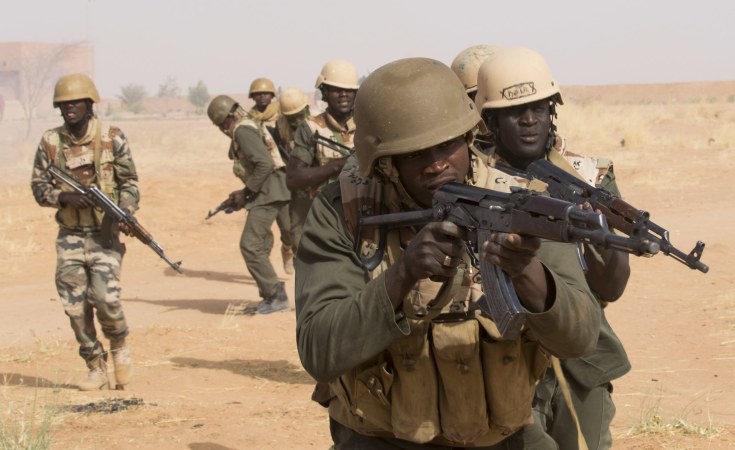
During a visit to Kenya last week, U.S. Africa Command (AFRICOM) Commander General Michael Langley underscored that the primary responsibility for security in Africa lies with African nations themselves. He acknowledged the ongoing challenges faced by local militaries and governments in equipping and sustaining their security forces.
"Our leadership is conducting a comprehensive review to improve alignment with U.S. policy and streamline effectiveness," Langley said, noting that Washington is reassessing its operations to ensure continued impact and relevance of its security partnerships.
Despite the changes, General Langley affirmed the enduring strength of AFRICOM's collaborations on the continent and reiterated the U.S. commitment to stand with African partners when called upon.