

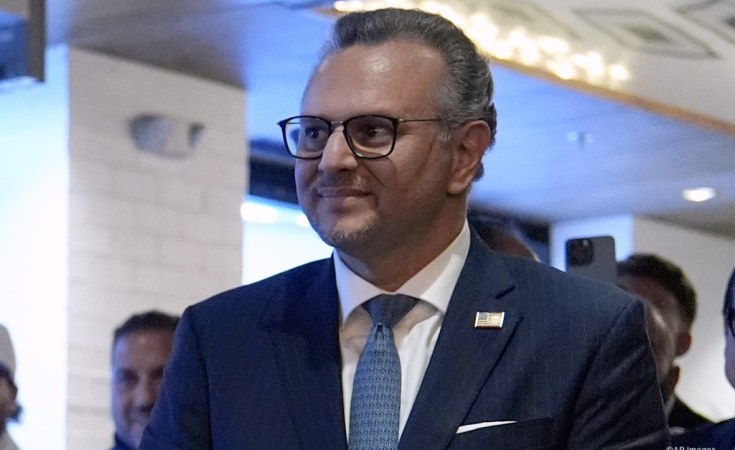
Luanda — Good afternoon! I’m honored to be here among all of you– Your Excellencies, Honorable Ministers, members of the diplomatic corps, entrepreneurs, and innovators. Thank you to President Lourenco for welcoming us to Angola and hosting the 17th Corporate Council on Africa U.S.- Africa Business Summit.
We’ve gathered in Luanda this week because we share a clear understanding. We recognize the vital importance of a strong U.S.- Africa economic partnership–one that drives transformational growth for both African nations and the United States.
The Trump administration views this moment as an opportunity to deepen our engagement across Africa’s economic landscape and foster trade, growth, and mutual prosperity. As we’ve emphasized before, the United States is shifting its approach from traditional development assistance to an investment led model focused on commercial engagement. We believe that business and trade, not aid, are the engines of long-term, sustainable growth.
However, meaningful economic growth can only take root in an environment defined by peace and stability. As President Trump and Secretary Rubio have made clear, this administration is focused on advancing peace because we recognize the critical connection between peace, stability, and economic growth. And U.S. investors and companies seek environments where peace and stability are not just promises, but realities.
Keep up with the latest headlines on WhatsApp | LinkedIn
It’s in this context that the United States is committed to supporting durable peace in regions that have long been affected by conflict, including in Libya, the Sahel, and Sudan. Nowhere is this more evident, however, than in the Great Lakes region, where conflict has hindered the region’s capacity to unlock the full potential of its people and natural resources. Since the beginning of this administration, President Trump has reaffirmed his commitment to Africa, and his desire for regional peace. To advance these efforts, I have traveled to many of your countries around the continent to discuss a path forward for durable peace and greater investment in the region.
On April 25, Secretary of State Rubio hosted the Foreign Ministers of the Democratic Republic of the Congo and Rwanda for the signing of a Declaration of Principles to commit to a real pathway to peace the eastern DRC region.
This past week in Washington D.C., we led three days of peace talks, resulting in the initialing of the text of the Peace Agreement. And we are proud to welcome the Foreign Ministers back to Washington this Friday , to formally sign the Peace Agreement. This is a significant milestone, and we look forward to hosting a Summit with Heads of State in Washington, D.C. in the coming weeks.
A durable peace in this region will unlock new opportunities for commerce, and cross-border trade will flourish. The DRC, Rwanda, and the region stand to benefit from enhanced regional integration and growth in sectors like mining and infrastructure. With lasting peace, the United States is prepared to support the expansion of investment and U.S. companies will bring a strong commitment to responsible business practices, and reliable, transparent mineral and infrastructure supply chains.

Sign up for free AllAfrica Newsletters
Get the latest in African news delivered straight to your inbox
We see this promise right here in Angola, where the Lobito Corridor is the flagship example of what peace and partnership can deliver. As we work with private sector partners to rehabilitate the Benguela Rail and help the government remove landmines left behind from decades of conflict, Angola is showing what’s possible, how peace lays the foundation for investment and for a more prosperous future.
That’s the future we’re working toward across the region and the United States is proud to stand with our African partners in building this future. Thank you very much.

