

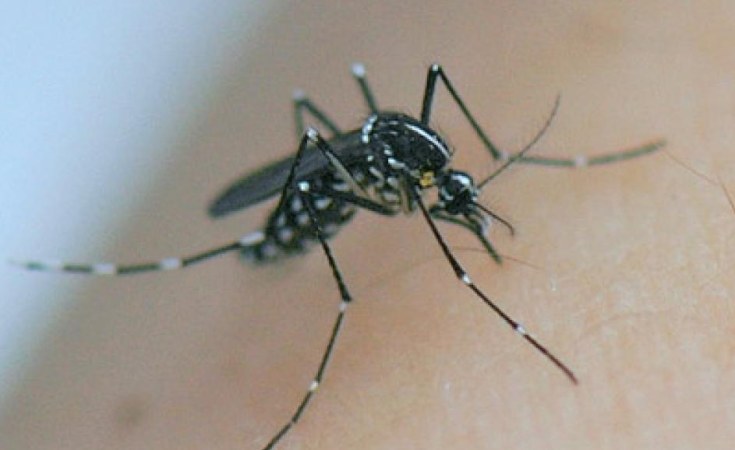
Monrovia — The World Health Organization (WHO) released new guidelines for the treatment and management of arboviral diseases, which are illnesses caused by viruses transmitted to humans through Aedes mosquitoes, . Arboviruses can cause a range of similar symptoms, from mild flu-like symptoms to severe, potentially life-threatening conditions like encephalitis or hemorrhagic fever.
The new WHO guidelines provide clinical management recommendations for four of the most widespread arboviruses affecting humans: dengue, chikungunya, Zika, and yellow fever.
Multiple African countries have reported cases of yellow fever, for instance, leading to tighter restrictions on travel. After hundreds of deaths in Angola and DR Congo, WHO declared an end to one of the deadliest yellow fever outbreaks in 2017. More than 30 million people were vaccinated in the aftermath of the epidemic, and enhanced surveillance was implemented in both countries.
Additionally, dengue and Zika were detected in several West African nations, such as Côte d'Ivoire and Senegal. Fatality rates vary "significantly", experts note, with some diseases having high mortality rates while others remain relatively low.
Keep up with the latest headlines on WhatsApp | LinkedIn
Previously confined to tropical regions, WHO said the diseases are now spreading to new areas due to *climate change, population growth, increased travel, and urbanization—factors that heighten the risk of outbreaks. In a statement, the international health body warned: "Arboviruses are now a growing public health threat, endangering over 5.6 billion people worldwide."
This guideline, which provides recommendations for patients with non-severe and acute arboviral diseases, is designed primarily for health care providers who manage patients with clinically apparent arboviral infections, and can be applied at all levels of the health system, including community-based care, primary care, emergency departments, and hospital wards. It will also serve as a reference source for policymakers, health managers, and health facility administrators to support the development of national, regional, and local guidelines for epidemic and pandemic preparedness.


