

He added that the existing global health financing structure, shaped over the past 25 years, has proved inadequate in addressing Nigeria's health challenges
The federal government has unveiled a new strategy to reduce Nigeria's over-reliance on international donors for healthcare, pledging to increase domestic funding and boost local manufacturing of essential medicines and medical supplies.
The plan was announced on Monday at the HIV/AIDS, Tuberculosis and Malaria Generative Workshop in Abuja, which brought together stakeholders to design a transition pathway to self-reliance in financing essential health services.
In his remarks, the Coordinating Minister of Health and Social Welfare, Muhammad Pate, stressed that Nigeria must urgently take ownership of financing its health system.
Follow us on WhatsApp | LinkedIn for the latest headlines
Mr Pate warned that reliance on foreign aid is unsustainable.
He said for more than two decades, the country has benefited from the generosity of external partners in the fight against HIV, malaria, and other conditions.
"These partnerships have supported our response to disease burdens, expanded access to services, and strengthened our health system," he said.
Mr Pate pointed out that the recent suspension of some of the World Health Organisation's funding proves the need to build stronger country-led systems, strengthen local institutions, and take full control of programme management.
He added that the existing global health financing structure, shaped over the past 25 years, has proved inadequate in addressing Nigeria's health challenges.
Mr Pate urged state governments to take greater responsibility for the health of their residents and commit a portion of their increased revenues to healthcare.
Speaking on the federal government's plans, he said the administration will raise health budget allocations at both national and state levels, ensure timely release of funds, retain donor-funded health workers, and boost local manufacturing of medicines and medical supplies.
He added that recommendations from the workshop would feed into ongoing reforms and a sector-wide approach already agreed with state governments.
Long-term sustainability plans
Speaking at the event, the Director General of the National Agency for the Control of AIDS (NACA), Temitope Ilori, explained that the workshop aimed to identify immediate gaps and develop long-term sustainability plans to ensure Nigeria is not overly dependent on foreign aid.
Ms Ilori said the focus is on Nigeria taking ownership of its health response, covering HIV, TB, malaria, maternal and child health, through government structures, domestic resource mobilisation, and uninterrupted service delivery.

Sign up for free AllAfrica Newsletters
Get the latest in African news delivered straight to your inbox
"We have the political will. This administration is a listening administration and has facilitated resources to ensure no gaps in service delivery," she said.
"Because of that political will, we will have the necessary resources to sustain locally driven health programmes."
Funding cut
Nigeria's push for self-reliance in health financing comes amid a global funding crisis triggered in January, following the return of Donald Trump as President of the United States. One of his first actions was to impose a 90-day freeze on foreign aid.
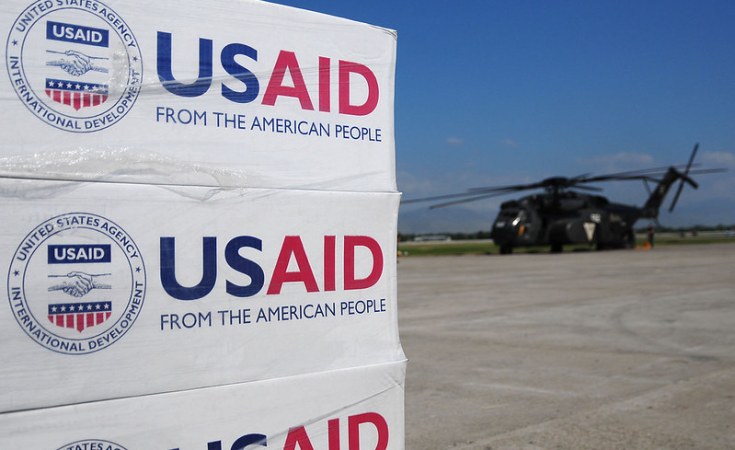
The freeze particularly hit key development agencies such as the United States Agency for International Development (USAID), which has long been a major source of support for health and development initiatives in Nigeria.
In Nigeria, the funding shortfall has already affected several areas of the health sector.
Programmes dependent on donor support are facing uncertainty, and critical services risk being scaled back.

