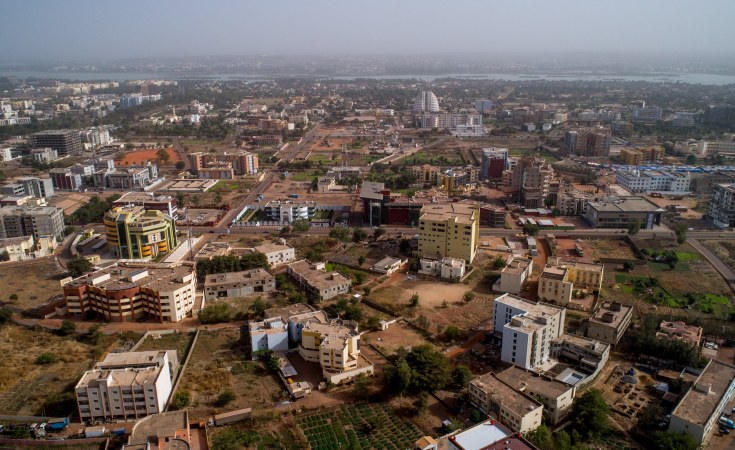
Bamako — "This morning at dawn, a convoy of 1,000 fuel tankers, escorted by the army, was greeted by a cheering crowd in Bamako," local sources told Fides, describing the situation in the Malian capital, where unrest is growing due to the blockade by the jihadist group Jama'a Nusrat ul-Islam wa al-Muslimin (JNIM), which is attempting to prevent fuel tankers from Senegal and Ivory Coast from supplying the city.
"The jihadists' strategy of blocking key transport routes between cities has been employed for some time in various parts of Mali, particularly in the Gao, Mopti, Timbuktu, and Kidal regions," the observers explained. "Since September, the jihadists have expanded their area of operation to the region surrounding Bamako, primarily targeting fuel convoys and civilian vehicles such as buses and private vehicles. They also attack women, beat those who do not wear veils, and then extort money from drivers and passengers.
There have also been cases of kidnapping for ransom." According to observers, "the alarm in Bamako due to the shortage of gasoline and other fuels is not only attributable to the blockades imposed by the jihadists, but also to the hoarding of fuel by various individuals who acquire large quantities to resell at inflated prices on the black market."
"The army is responding by organizing military escorts for supply convoys, so unaccompanied tanker trucks are considered suspicious," the report states. "However, the problem is actually more complex, as a war over gasoline has been raging between jihadists and the military for some time," the observers emphasize. "The latter had observed that fuel deliveries in some areas exceeded local demand.
Keep up with the latest headlines on WhatsApp | LinkedIn
Suspecting that the surplus was falling into the hands of jihadists, the authorities imposed quotas on the amount of gasoline delivered to these areas. The JNIM responded by expanding the areas subject to its roadblocks," the observers explained to Fides. However, the situation in Bamako, as in the rest of Mali, remains precarious. Several Western countries, including the United States and Italy, have urged their citizens to leave the country as soon as possible.

