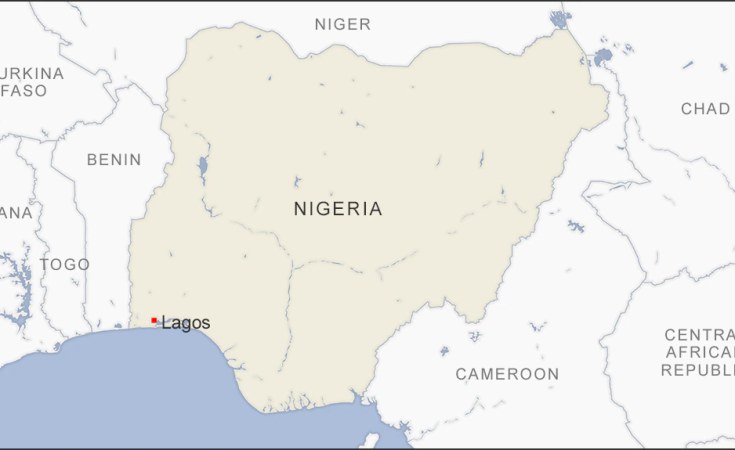
The recent threat by President Donald trump to intervene in Nigeria in response to the alleged 'killing of Christians' has serious implications for Nigeria-Us relations, especially in terms of its drawbacks to the current economic reforms, the recent 15% import duty on petroleum and diesel import and the possibility of boosting the economic relationship between Nigeria and China.
This shift towards BRICS in general and China in particular will primarily affect the US by fueling competition for influence in Africa, challenging the economic standing of the dollar, and creating vulnerabilities related to trade imbalances and debt.
The weakening of Nigeria-US relationship due to the recent intervention threat is therefore a direct manifestation of the broader struggle for global economic dominance. Its potential negative effects on Nigeria include:
Follow us on WhatsApp | LinkedIn for the latest headlines
A decline in foreign direct investment (FDI) through which U.S. investors will adopt a careful approach toward emerging markets like Nigeria, focusing instead on domestic opportunities. Foreign direct investment may also be more vulnerable than before because the severity of the allegations creates reputational risk, prompting multinational firms to delay or suspend investment decisions across sectors such as energy, telecoms, agribusiness and fintech.
On Trade Issues, the United States remains a vital economic partner for Nigeria and bilateral trade in goods and services reached approximately $13 billion in 2024, according to official data from the Office of the U.S. Trade Representative.
Trump's threat to cut "aid and assistance" could therefore ripple through multiple channels such as trade finance, energy exports, defense procurement and humanitarian programs. More risky still would be a suspension of Nigeria's eligibility under the African Growth and Opportunity Act (AGOA), which offers duty-free access to US markets for African goods. Such a move could cripple Nigeria's drive towards expanding non-oil exports, particularly in textiles, agro-processing, and light manufacturing. The country's export council recently reported a nearly 20% rise in shipments during the first half of 2025, driven by global demand for cocoa, urea, and cashew. If Western importers begin to hesitate or reroute orders, these fragile gains could diminish. Higher insurance premia and costlier trade credit would also make Nigerian goods less competitive, even before a single sanction is imposed.
Drop in portfolio inflows because the remarks of the US President could have a significant impact on Nigeria's plans to issue Eurobonds worth about $2.3 billion later this year as investors may perceive the country as one with high risk. Fiscal stability may also weaken as outflows push domestic yields higher, raise borrowing costs, and worsen the currency-debt service dynamic. The international amplification of Trump's remarks may therefore further damage Nigeria's image and negatively influence multilaterals and rating agencies.

Sign up for free AllAfrica Newsletters
Get the latest in African news delivered straight to your inbox
Zespite efforts to diversify the Nigerian economy, Oil & Gas remain the lifeblood of its economy, feeding both foreign exchange reserves and government coffers. Any escalation that disrupts production, shipping, or insurance coverage would squeeze dollar inflows at a point Nigeria struggles to narrow its fiscal deficit. Although the International Energy Agency (IEA) predicts that OPEC+ supply is expected to rise in 2025, a Nigeria-specific disruption could tighten the global market for light-sweet crude, potentially lifting prices but leaving Nigeria paradoxically poorer since its output will drop due to the intervention or because buyers demand steep discounts. For Nigeria, this means reduced revenue and heightened economic vulnerability and in such a scenario, the country's budgetary gaps could widen, forcing deeper austerity or additional borrowing at punishing rates.
If the threat is carried through, there will be increased inflationary pressures, and reduced foreign reserves due to capital outflows. The escalation may also complicate the efforts of the Central Bank of Nigeria (CBN) to stabilize the naira and anchor inflation expectations.
The regulator has been courting portfolio inflows through high-yield securities and reforms in the FX window, but heightened global risk aversion could limit the impact and the naira may consequently face notable downward pressure as outflows intensify, potentially forcing heavier CBN intervention.
Muhammed Muttaka Usman is a Professor of Economics, Department of Economics, Ahmadu Bello University, Zaria and member, Daily Trust Board of Economists

