

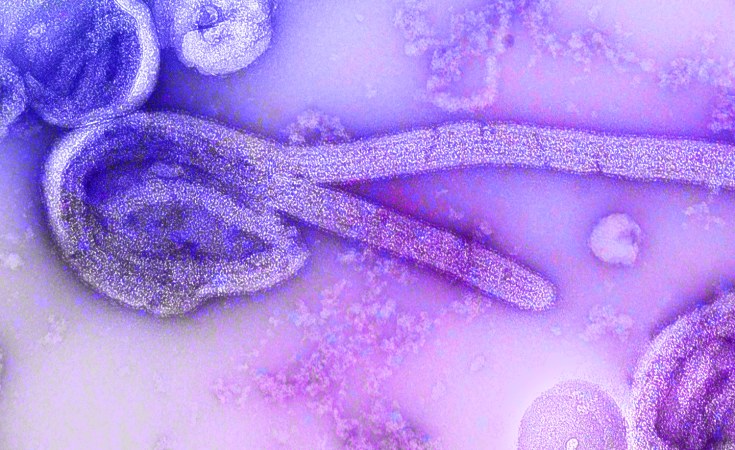
It is transmitted to humans through fruit bats and spreads rapidly between people through direct contact with the bodily fluids of infected individuals or contaminated surfaces
The World Health Organisation (WHO) has announced that Ethiopia has recorded its first outbreak of Marburg virus disease.
Health officials confirmed the development after laboratory tests detected the virus in samples collected from a cluster of suspected viral haemorrhagic fever cases in the South Ethiopia Region.
In a statement on Friday, WHO added that genetic analysis by the Ethiopia Public Health Institute shows the identified strain is similar to those detected in previous outbreaks across East African countries.
Follow us on WhatsApp | LinkedIn for the latest headlines
A highly fatal infection
Marburg virus disease is a rare but severe illness caused by the Marburg virus. It is transmitted to humans through fruit bats and spreads rapidly between people through direct contact with the bodily fluids of infected individuals or contaminated surfaces.
The infection typically begins with high fever, intense headaches, muscle pain and fatigue. Many patients progress to severe bleeding within days of symptom onset.
Marburg virus also belongs to the same family of viruses that cause Ebola virus disease.
Although several medical countermeasures are currently in clinical trials, there is still no approved vaccine or treatment for the disease.
WHO says early supportive care, including oral or intravenous rehydration and management of specific symptoms, significantly improves the chances of survival.
Past outbreaks and isolated cases of the disease have been documented in Angola, the Democratic Republic of Congo, Ghana, Kenya, Equatorial Guinea, Rwanda, South Africa, Tanzania and Uganda.
Cases detected in South Ethiopia
According to WHO, the ongoing outbreak has so far resulted in nine confirmed cases in Jinka town in the South Ethiopia Region.
This has prompted national health authorities to ramp up response efforts through widescale community screening, isolation and treatment of confirmed cases, contact tracing and public sensitisation campaigns aimed at curbing further transmission.
Support team
The health body said it is working closely with the Ethiopian government as authorities intensify measures to contain the outbreak, noting that a multidisciplinary team with expertise in viral haemorrhagic fever response has already been deployed alongside medical supplies and equipment to support local health workers.
WHO and its partners added that their priority is to halt the spread of the virus and bring the outbreak under control as quickly as possible.

Sign up for free AllAfrica Newsletters
Get the latest in African news delivered straight to your inbox

