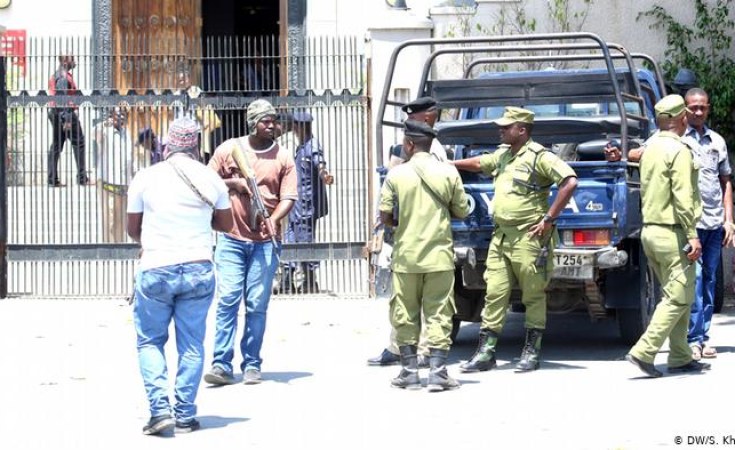
Nairobi — Tanzanian police used live ammunition against protesters and may have buried victims in unmarked graves following a disputed presidential election in October, according to an exclusive investigation by CNN.
Using geolocated videos, satellite imagery, audio analysis and eyewitness accounts, CNN documented how security forces allegedly killed protesters and concealed the scale of the crackdown that followed President Samia Suluhu Hassan's landslide re-election with 98 per cent of the vote on October 29.
Several opposition rivals were barred from contesting the poll, triggering protests in multiple parts of the country. Authorities responded by imposing a curfew and enforcing an internet blackout in the days after voting. When connectivity was partially restored, police reportedly restricted the sharing of images and videos deemed likely to "cause panic".
Keep up with the latest headlines on WhatsApp | LinkedIn
Government officials initially denied that any protesters had been killed in the unrest. Last week, President Suluhu acknowledged that there had been casualties but did not provide figures. She announced the formation of a commission of inquiry, while also suggesting that some demonstrators may have been paid to take part in the protests.
CNN reported that Tanzanian authorities, including the government and police, did not respond to requests for comment on its findings.
Morgues overwhelmed
The probe, conducted with open-source investigators, verified images and videos of overcrowded morgues at Sekou-Toure Regional Referral Hospital in Mwanza and Mwananyamala Hospital in Dar es Salaam, which aligned with witness accounts of rising casualties.
In Mwanza, photos show at least 10 bodies laid on a stretcher outside the hospital. A doctor there, speaking on condition of anonymity, told CNN he treated gunshot victims over four days and said the morgue quickly reached capacity as bodies were brought in.
"All had sustained gunshot wounds in different parts of the body, including the head, abdomen, chest, and limbs," the doctor said.
In Dar es Salaam, video footage verified by CNN shows multiple bodies lying on the floor at Mwananyamala Hospital. The Ministry of Health has denied that the images are genuine.
A woman who requested anonymity said she recognised her brother among the dead in the footage. She told CNN he was killed during protests near his home.
Shots fired at protesters
Demonstrations broke out shortly after voting on October 29 and continued for several days in some areas. In Arusha, video verified by CNN appears to show a pregnant woman and a young man being shot as protests turned violent. Witnesses said the woman was three months pregnant.
Audio analysis conducted by a forensic expert suggested that the shots captured in the Arusha video were fired from some distance, indicating the use of firearms rather than close-range confrontations.
Drone footage obtained and verified by CNN shows protesters fleeing as armed men appear to open fire in civilian areas. Some clips show individuals in plain clothes operating alongside uniformed police officers in the Ubungo area of Dar es Salaam.
Opposition officials have alleged that some bodies were removed and disposed of at undisclosed locations to conceal the true death toll, though these claims have not been independently verified.
Suspected mass graves at cemetery
CNN's investigation also examined satellite images and ground video from Kondo cemetery in Kunduchi, north of Dar es Salaam, where human rights groups and witnesses say some protesters may have been buried.
Satellite imagery taken between November 2 and 15 shows patches of disturbed soil at the cemetery. Video filmed on the ground shows overturned sand, exposed roots and pieces of fabric, which witnesses said indicated recent burials.

Sign up for free AllAfrica Newsletters
Get the latest in African news delivered straight to your inbox
According to CNN, rights groups believe the site could contain bodies of those killed during the crackdown, but the exact number of victims remains unknown.
UN says hundreds may have been killed
The United Nations Human Rights Office, citing multiple sources, has suggested that hundreds of protesters and civilians may have been killed in the post-election violence, with an unknown number injured or detained.
The UN has called for an independent investigation into the use of force by Tanzanian security agencies and urged authorities to ensure accountability and transparency in probing the deaths.
As the government-appointed commission begins work, families of the missing and rights organisations are pressing for full disclosure on how many people were killed, where they are buried, and who ordered the use of lethal force against protesters challenging the credibility of the October vote.

