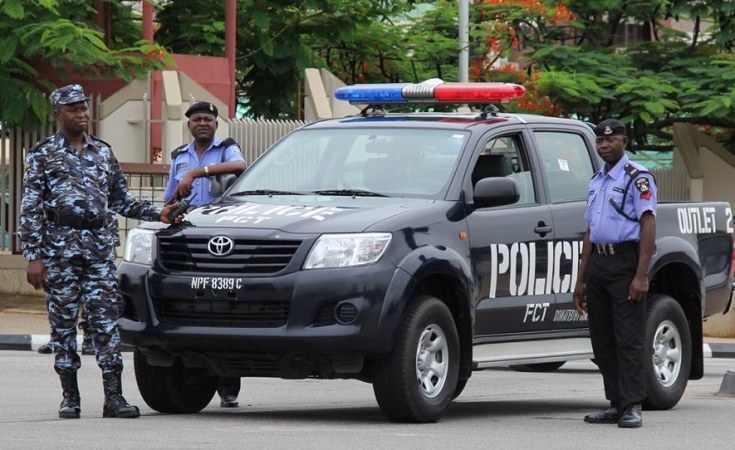
Former Labour Party presidential candidate, Peter Obi, has raised concerns over what he described as the growing danger posed by poorly positioned security checkpoints across Nigeria, warning that they were contributing significantly to traffic gridlock and endangering lives.
Obi disclosed on his X (formerly Twitter) handle on Sunday that during the recent festive season, he travelled through several major roads across the country and witnessed what he described as "appalling levels of traffic congestion."
"This festive season, I traversed several major roads across the country and encountered appalling levels of traffic congestion.
"At times, the gridlock was so extreme that travellers bound for distant destinations were forced to abandon their journeys, wasting hours trying to escape the chaos," he said.
Keep up with the latest headlines on WhatsApp | LinkedIn
According to him, a closer look at the situation revealed that ill-positioned security checkpoints were the major cause of the congestion.
"A closer inspection reveals that the primary contributor to this congestion is the ill-placed security checkpoints," Obi stated. "Positioning these checkpoints at narrow points or near construction zones is nothing short of irresponsible, as it brings traffic to a complete standstill."
He added that similar experiences were being reported on many roads across the country, suggesting that the problem was widespread.
Obi said issues often dismissed as minor deserve serious attention because of their direct impact on the everyday lives of Nigerians.
"Some may dismiss certain areas of my commentary as trivial, but I firmly assert that every detail has profound implications for our society; they significantly influence people's daily lives," he said.
While acknowledging the efforts and sacrifices of Nigeria's security agencies, Obi stressed the need for better judgement and adaptability, particularly during peak travel periods.
"While I respect and recognise the sacrifices made by our security agencies, they must adopt greater discretion and flexibility during peak travel times," he said.
"People are returning to work, facing long distances, and contending with poor road conditions."
He warned that prolonged delays caused by traffic bottlenecks leave drivers fatigued and increase the likelihood of road accidents.
"These unnecessary delays leave drivers exhausted, raising the risk of accidents as they struggle to stay alert behind the wheel," Obi said.
"There is absolutely no justification for subjecting travellers to such avoidable setbacks."
Obi further argued that the current situation contradicts the core purpose of security operations on highways.
"The purpose of security is to protect lives, not endanger them," he said.

Sign up for free AllAfrica Newsletters
Get the latest in African news delivered straight to your inbox
"Extended delays force those who set out early to find themselves on the road well after dark, putting them at even greater risk in a time marked by rising insecurity."
Calling for urgent reforms, the former Anambra State governor urged security agencies to adopt a more strategic and coordinated approach.
"A more strategic approach is not just advisable--it's essential," Obi said.
"Checkpoints must be strategically located away from narrow roads and construction zones, inspections need to be expedited during heavy traffic, and agencies must coordinate effectively to eliminate unnecessary bottlenecks."
He concluded that such measures would improve traffic flow without compromising security and make Nigerian roads safer and more humane.
"This will not only improve traffic flow without compromising security but also ensure our roads are safer and more humane for all," Obi stated.
