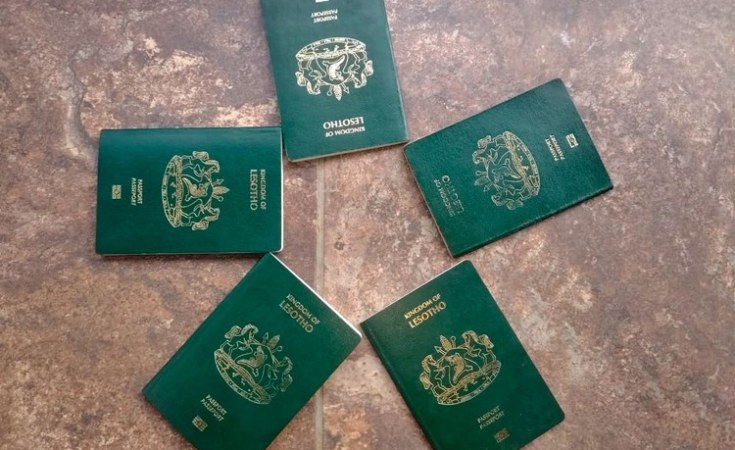
A human rights organisation has petitioned South Africa's Parliament to scrap passports at Lesotho borders
A human rights organisation in Lesotho has petitioned South Africa's Parliament to remove passport requirements between the two countries, saying it is "an apartheid-era control mechanism [that] continues to regulate the daily lives of ordinary people in a democratic era".
On Monday, Advocates for the Supremacy of the Constitution, known as Section Two, submitted the petition. The group wants the 1963 rule that requires passports for travel between Lesotho and South Africa scrapped.
Section Two says the passport rule was introduced by the apartheid government to control the movement of black people and to monitor political activity.
Keep up with the latest headlines on WhatsApp | LinkedIn
Although South Africa is now a democracy, the organisation says the rule is inconsistent with the values of human dignity and freedom of movement.
Lesotho is completely surrounded by South Africa. The petition says the two countries share language, culture and families that existed long before colonial borders were drawn. The border divides families and communities.
The group says the Lesotho passport offices face frequent system failures and long backlogs, leaving many people without travel documents for months.
Section Two says this has resulted in families being separated during births, illness and funerals. Workers also lose jobs because they cannot cross the border legally. Some people cross illegally through the Mohokare (Caledon) River, where drownings are common. Others face arrest, deportation and criminal charges.
Section Two has asked Parliament to use its oversight power to pressure the South African government to act.
The organisation wants South Africa and Lesotho to replace passport controls with a system that allows people to cross using national identity documents.
On Tuesday, Parliament's Petitions Office confirmed that it had received the petition. But it said in an email that decisions about international agreements are made by the executive, not Parliament, and advised the organisation to contact the relevant government department.
Speaking to GroundUp, Section Two coordinator Kananelo Boloetse said the petition is not asking Parliament to negotiate directly with Lesotho, but to pressure the executive to take action.
"The response was technically correct on treaty-making," Boloetse said. "But it avoided the substance of what we were asking Parliament to do."
He said that Section Two would now approach the relevant parliamentary committee.

Sign up for free AllAfrica Newsletters
Get the latest in African news delivered straight to your inbox

